A Continent’s Calendar: Tracing the Historical past and Evolution of the Africa Cup of Nations
Associated Articles: A Continent’s Calendar: Tracing the Historical past and Evolution of the Africa Cup of Nations
Introduction
On this auspicious event, we’re delighted to delve into the intriguing subject associated to A Continent’s Calendar: Tracing the Historical past and Evolution of the Africa Cup of Nations. Let’s weave attention-grabbing data and provide recent views to the readers.
Desk of Content material
A Continent’s Calendar: Tracing the Historical past and Evolution of the Africa Cup of Nations

The Africa Cup of Nations (AFCON), formally the TotalEnergies Africa Cup of Nations for sponsorship causes, is greater than only a soccer match; it is a vibrant tapestry woven with the threads of African historical past, tradition, and sporting prowess. Since its inception in 1957, the match has advanced dramatically, not solely in its on-field spectacle but in addition in its scheduling, format, and the sheer scale of its impression throughout the continent. Understanding the AFCON calendar, its shifts and diversifications over time, gives essential perception into the match’s progress and its enduring significance.
The Early Years: A Shifting Sandscape (1957-Nineteen Sixties)
The inaugural version, held in Sudan in 1957, featured solely three nations: Egypt, Sudan, and Ethiopia. This modest starting laid the groundwork for a match that will finally turn into a continental powerhouse. The early years have been characterised by irregularity within the scheduling. There was no mounted cycle; tournaments have been held sporadically, generally with important gaps between editions. This inconsistency stemmed from varied components, together with logistical challenges, political instability in some components of Africa, and the nascent stage of soccer improvement throughout the continent. The collaborating nations have been additionally restricted, reflecting the relative youth of unbiased African nations and the event of their soccer associations.
The Nineteen Sixties witnessed a gradual improve in participation, although the calendar remained unpredictable. The match’s nomadic nature – hosted in several nations every time – additional contributed to the shortage of a structured calendar. This era highlights the challenges confronted in establishing a persistently held, pan-African occasion within the face of serious political and infrastructural hurdles. The main focus was totally on participation and showcasing the rising expertise throughout the continent, moderately than establishing a inflexible, pre-planned schedule.
Discovering Rhythm: Establishing a Extra Constant Calendar (Nineteen Seventies-Nineteen Nineties)
The Nineteen Seventies marked a turning level. A extra common, albeit not completely constant, calendar started to emerge. Whereas the precise frequency nonetheless fluctuated, the match turned a extra common fixture on the African footballing panorama. This era noticed the rise of a number of powerhouse nations, together with Zaire (now the Democratic Republic of Congo), Ghana, and Cameroon, who started to dominate the competitors. The rising reputation of the AFCON led to elevated funding in infrastructure and the event of nationwide groups, additional solidifying the match’s place within the African sporting calendar.
The latter half of the twentieth century noticed a gradual shift in the direction of a extra predictable schedule, with makes an attempt to determine a biennial or perhaps a quadrennial cycle. Nonetheless, logistical and political components nonetheless performed a big position in influencing the calendar. The enlargement of the match to incorporate extra nations additionally added complexity to the scheduling course of, requiring cautious consideration of venue availability, journey preparations, and the general logistical burden.
The Trendy Period: In the direction of a Mounted Calendar (2000s-Current)
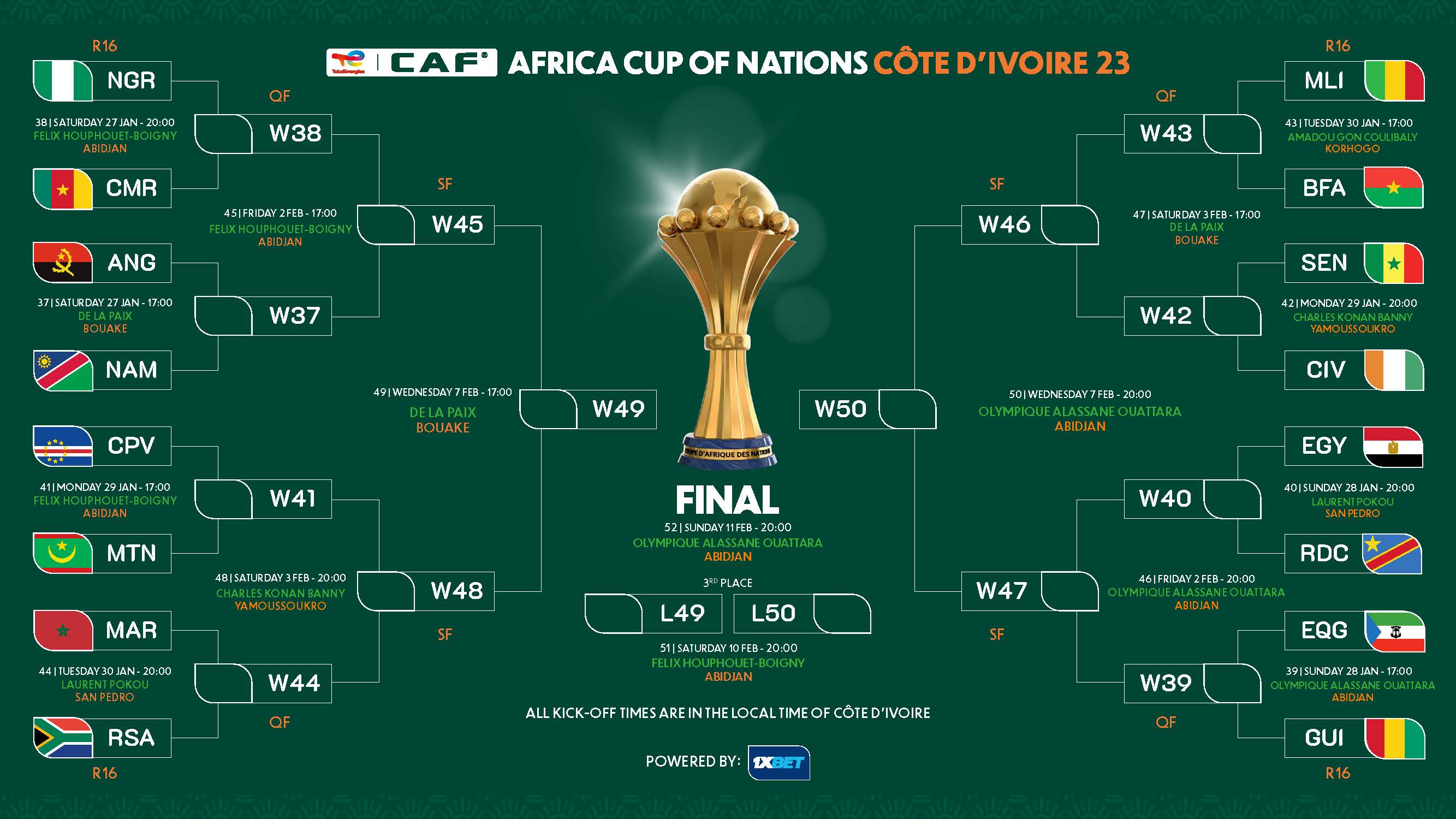
The daybreak of the twenty first century introduced a big push in the direction of establishing a hard and fast and predictable AFCON calendar. The choice to carry the match each two years, sometimes within the winter months of January and February, aimed to attenuate disruption to European membership soccer seasons. This transfer, nonetheless, has confronted criticism, particularly from European golf equipment who typically discover themselves shedding key gamers throughout peak seasons.
The shift to a hard and fast calendar considerably improved the match’s group and planning. Host nations might be chosen properly prematurely, permitting for higher infrastructure improvement and preparations. Sponsorships turned extra predictable, and media protection elevated, contributing to the match’s rising international attraction. Nonetheless, the January/February window has not been with out its drawbacks. The climate situations in some host nations throughout this era will be difficult, and the timing typically clashes with different main sporting occasions.
The Latest Shift and Future Concerns:
In a big improvement, the CAF (Confederation of African Soccer) determined to shift the AFCON calendar to the summer season months, beginning in 2023. This resolution, whereas aiming to enhance taking part in situations and probably appeal to bigger audiences, has once more sparked debate. The shift necessitated a change within the match’s schedule, impacting nationwide crew preparations and probably inflicting conflicts with different main soccer occasions.
The way forward for the AFCON calendar stays a topic of ongoing dialogue. The CAF is consistently striving to stability varied components, together with the wants of nationwide groups, European golf equipment, sponsors, and tv broadcasters. The optimum timing for the match continues to be debated, with concerns for climate situations, participant availability, and the general impression on the African soccer panorama. The best situation could be a calendar that caters to all stakeholders whereas sustaining the match’s status and its distinctive place within the international sporting calendar.
Past the Dates: The Cultural Impression of the AFCON
The AFCON calendar is greater than only a sequence of dates; it’s a mirrored image of the broader socio-political panorama of Africa. The match’s evolution mirrors the continent’s journey in the direction of independence, political stability, and financial progress. The fervour and enthusiasm surrounding the match transcend nationwide borders, uniting followers throughout the continent and showcasing the ability of soccer as a unifying pressure.
The internet hosting of the AFCON additionally gives important financial advantages to the host nations, boosting infrastructure improvement, tourism, and creating employment alternatives. The match’s rising international attain has additionally helped to raise the profile of African soccer and its proficient gamers on the world stage.
In conclusion, the AFCON calendar is a dynamic entity, continuously adapting to altering circumstances. From its humble beginnings to its present standing as a significant continental occasion, the match’s scheduling has been formed by a mess of things, reflecting the challenges and triumphs of African soccer. Because the CAF continues to navigate the advanced panorama of worldwide soccer, the way forward for the AFCON calendar will undoubtedly be a topic of ongoing dialogue and adaptation, guaranteeing its continued progress and relevance for generations to return. The calendar, subsequently, is not only a listing of dates; it is a chronicle of African soccer’s exceptional journey.



Closure
Thus, we hope this text has supplied helpful insights into A Continent’s Calendar: Tracing the Historical past and Evolution of the Africa Cup of Nations. We respect your consideration to our article. See you in our subsequent article!