Kislev: A Month of Mild and Darkness within the Jewish Calendar
Associated Articles: Kislev: A Month of Mild and Darkness within the Jewish Calendar
Introduction
With nice pleasure, we’ll discover the intriguing subject associated to Kislev: A Month of Mild and Darkness within the Jewish Calendar. Let’s weave attention-grabbing info and supply contemporary views to the readers.
Desk of Content material
Kislev: A Month of Mild and Darkness within the Jewish Calendar

Kislev, the ninth month of the Jewish civil calendar and the third month of the ecclesiastical calendar, holds a singular place inside the Jewish yr. It’s a month bridging the hole between the autumnal harvest and the approaching winter, reflecting a fragile steadiness between the waning gentle and the promise of renewed hope. Whereas not as closely laden with main holidays as Tishrei or Nissan, Kislev comprises vital occasions and observances that profoundly form Jewish life and spirituality. Its character is considered one of anticipation, remembrance, and a quiet preparation for the higher celebrations to return.
A Month of Unsure Climate and Agricultural Transition:
Kislev’s place on the calendar aligns with the sometimes unpredictable climate of late autumn. Within the Land of Israel, this era typically brings fluctuating temperatures, occasional rains, and the gradual withdrawal of the heat related to the earlier months. This meteorological uncertainty mirrors the non secular and emotional panorama of the month, a time of each potential hardship and the delicate emergence of hope. The agricultural cycle is in a state of transition; the harvest is essentially full, and the fields lie fallow, awaiting the rains that may put together the bottom for the following planting season. This agricultural actuality has traditionally influenced the character and observances of Kislev.
Hanukkah: The Pageant of Lights – A Beacon within the Darkness:
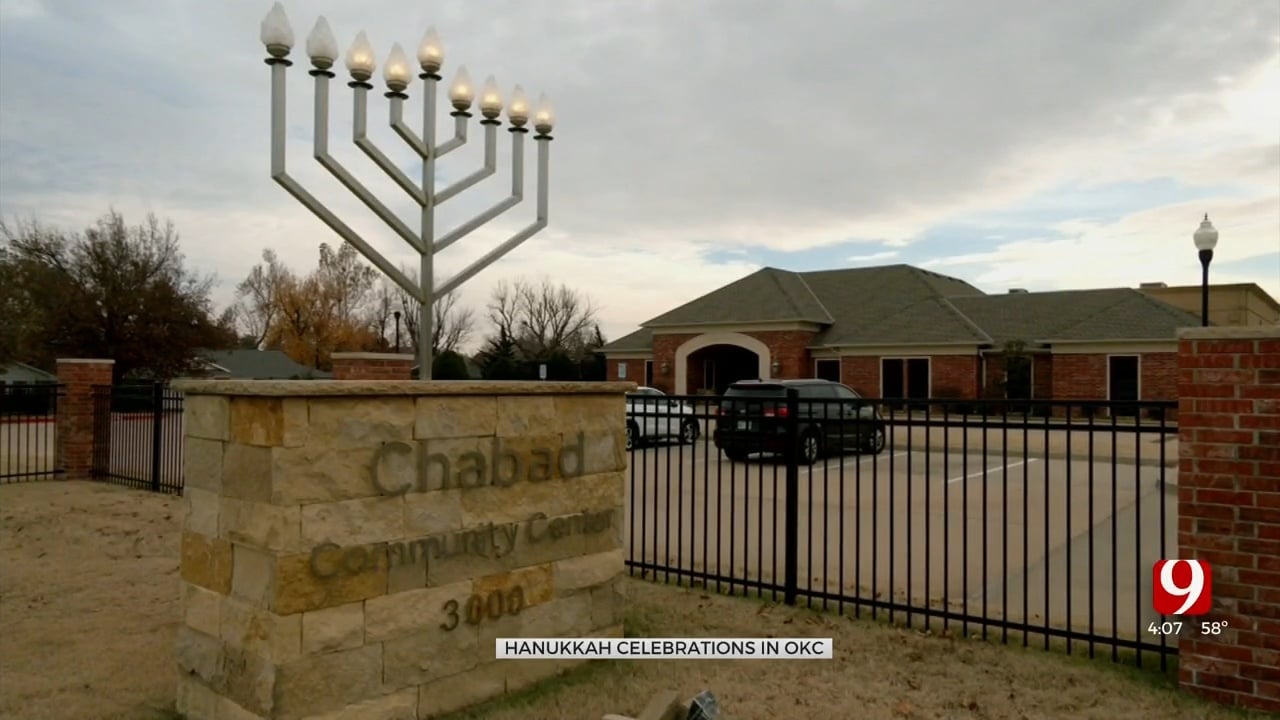
Essentially the most outstanding occasion in Kislev is undoubtedly Hanukkah, the eight-day Pageant of Lights. Celebrated on the twenty fifth of Kislev, Hanukkah commemorates the rededication of the Second Temple in Jerusalem following the Maccabean Revolt in opposition to the Seleucid Empire within the 2nd century BCE. The story of Hanukkah is considered one of navy victory in opposition to overwhelming odds, spiritual freedom reclaimed, and the miraculous burning of a single day’s value of consecrated oil for eight days.
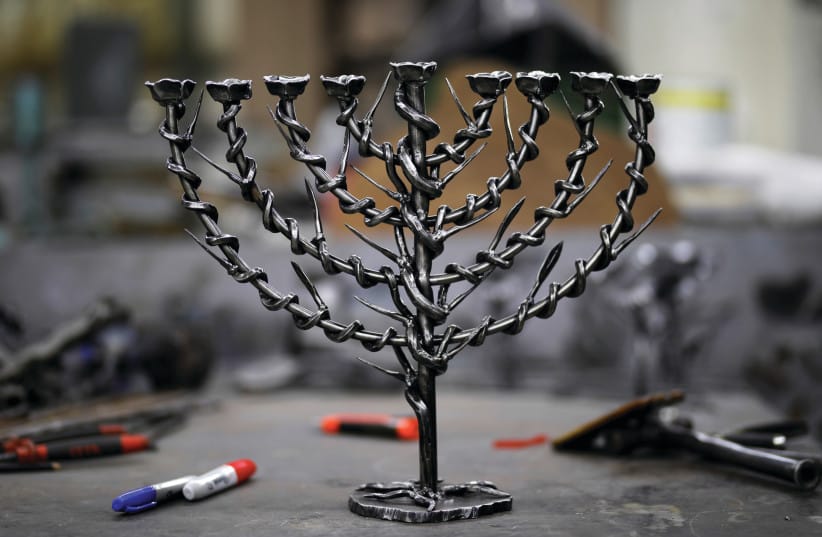
The central image of Hanukkah is the menorah, a nine-branched candelabrum, with eight branches representing the eight days of the competition and the ninth, the shamash, used to gentle the others. The lighting of the menorah every evening is a strong act of remembrance and reaffirmation of Jewish identification and religion. Past the spiritual significance, Hanukkah is a time of household gatherings, the sharing of conventional meals like latkes (potato pancakes) and sufganiyot (jelly doughnuts), and the trade of items. The competition’s message of resilience, perseverance, and the triumph of sunshine over darkness resonates deeply with Jews throughout the globe, significantly in the course of the darkest days of the yr.
Past Hanukkah: Different Observances in Kislev:
Whereas Hanukkah dominates the month, Kislev additionally holds different vital observances, albeit much less extensively celebrated. These typically replicate the agricultural and non secular themes of the season:
-
Preparation for Winter: In conventional Jewish communities, Kislev marked a time for getting ready for the winter months. This included guaranteeing ample meals provides, repairing houses to resist harsher climate, and making preparations for the colder season. This sensible side of Kislev bolstered the significance of group and mutual assist.
-
Early Mentions of Kislev in Jewish Literature: The month of Kislev is talked about in varied texts all through Jewish historical past. From biblical accounts to rabbinic literature, its affiliation with particular occasions and seasons is famous. These references supply glimpses into the historic context and significance of the month in numerous eras.
-
Religious Reflection: The unsure climate and the transition within the agricultural cycle supplied alternatives for non secular reflection and introspection. The interval between the harvest and the following planting season provided a second for contemplation, permitting people to evaluate the previous yr and put together for the challenges and alternatives that lie forward.
-
Minor Quick Days: Whereas not as extensively noticed as the key quick days, some minor quick days fall inside Kislev, reflecting a continued theme of penitence and non secular introspection that runs all through the Jewish calendar.
Kislev’s Significance in Completely different Jewish Communities:
The observance of Kislev varies throughout totally different Jewish communities. Whereas Hanukkah is universally celebrated, the emphasis positioned on different elements of the month, such because the agricultural preparations or minor quick days, could differ relying on geographical location, custom, and group follow. In some communities, particular customs and traditions associated to Kislev have developed over time, reflecting the distinctive historical past and cultural heritage of these communities.
The Symbolism of Kislev:
Kislev’s symbolism is multifaceted. The unsure climate displays the unpredictable nature of life, whereas the transition within the agricultural cycle mirrors the fixed cycle of progress, decay, and renewal. Hanukkah, the central occasion of the month, powerfully symbolizes the triumph of sunshine over darkness, hope over despair, and religion over adversity. The month as an entire embodies a fragile steadiness between the waning gentle of autumn and the promise of renewed life and hope that spring will ultimately deliver.
Kislev in Fashionable Jewish Life:
Within the modern Jewish world, Kislev continues to carry significance, albeit in quite a lot of methods. Hanukkah stays a central celebration, typically marked by elevated household gatherings, group occasions, and public menorah lightings. Nevertheless, the opposite elements of Kislev, such because the agricultural preparations and non secular reflection, could also be much less outstanding in trendy life, particularly in city settings. Nonetheless, the underlying themes of resilience, hope, and the significance of sunshine within the face of darkness stay deeply related and proceed to resonate with Jews world wide.
Conclusion:
Kislev is a month of contrasts, a interval of transition and anticipation. It’s a month the place the waning gentle of autumn meets the promise of renewed hope, mirrored within the highly effective symbolism of Hanukkah. Whereas overshadowed by the key holidays of Tishrei and Nissan, Kislev holds a singular place inside the Jewish calendar, providing a time for reflection, remembrance, and preparation for the yr forward. Its mix of agricultural realities, non secular observances, and the triumphant story of the Maccabees makes Kislev a month wealthy in that means and significance for the Jewish individuals. Understanding its nuances permits for a deeper appreciation of the richness and complexity of the Jewish calendar and the enduring themes that form Jewish life and identification.




Closure
Thus, we hope this text has supplied worthwhile insights into Kislev: A Month of Mild and Darkness within the Jewish Calendar. We hope you discover this text informative and helpful. See you in our subsequent article!