Mastering Shared Calendars in Outlook 365: A Complete Information
Associated Articles: Mastering Shared Calendars in Outlook 365: A Complete Information
Introduction
With nice pleasure, we’ll discover the intriguing subject associated to Mastering Shared Calendars in Outlook 365: A Complete Information. Let’s weave fascinating data and supply contemporary views to the readers.
Desk of Content material
Mastering Shared Calendars in Outlook 365: A Complete Information

Microsoft Outlook 365’s shared calendar function is a cornerstone of collaborative productiveness. Whether or not you are coordinating staff initiatives, managing household schedules, or just staying in sync with colleagues, successfully sharing calendars streamlines workflows and minimizes scheduling conflicts. Nonetheless, the method is not at all times intuitive, and mastering its nuances requires understanding varied strategies and potential pitfalls. This complete information delves into the intricacies of sharing Outlook 365 calendars, masking every little thing from primary sharing to superior permissions and troubleshooting frequent points.
Understanding the Fundamentals of Calendar Sharing
Earlier than diving into the specifics, it is essential to know the basic ideas of shared calendars in Outlook 365. Whenever you share your calendar, you are granting others entry to view, edit, and even handle your appointments and occasions. The extent of entry you grant dictates what others can see and do along with your calendar. This entry is managed by means of permission ranges, which we’ll discover intimately later.
Strategies for Sharing Your Outlook 365 Calendar
There are a number of methods to share your calendar in Outlook 365, every providing totally different ranges of management and comfort:
1. Sharing Straight from the Calendar:
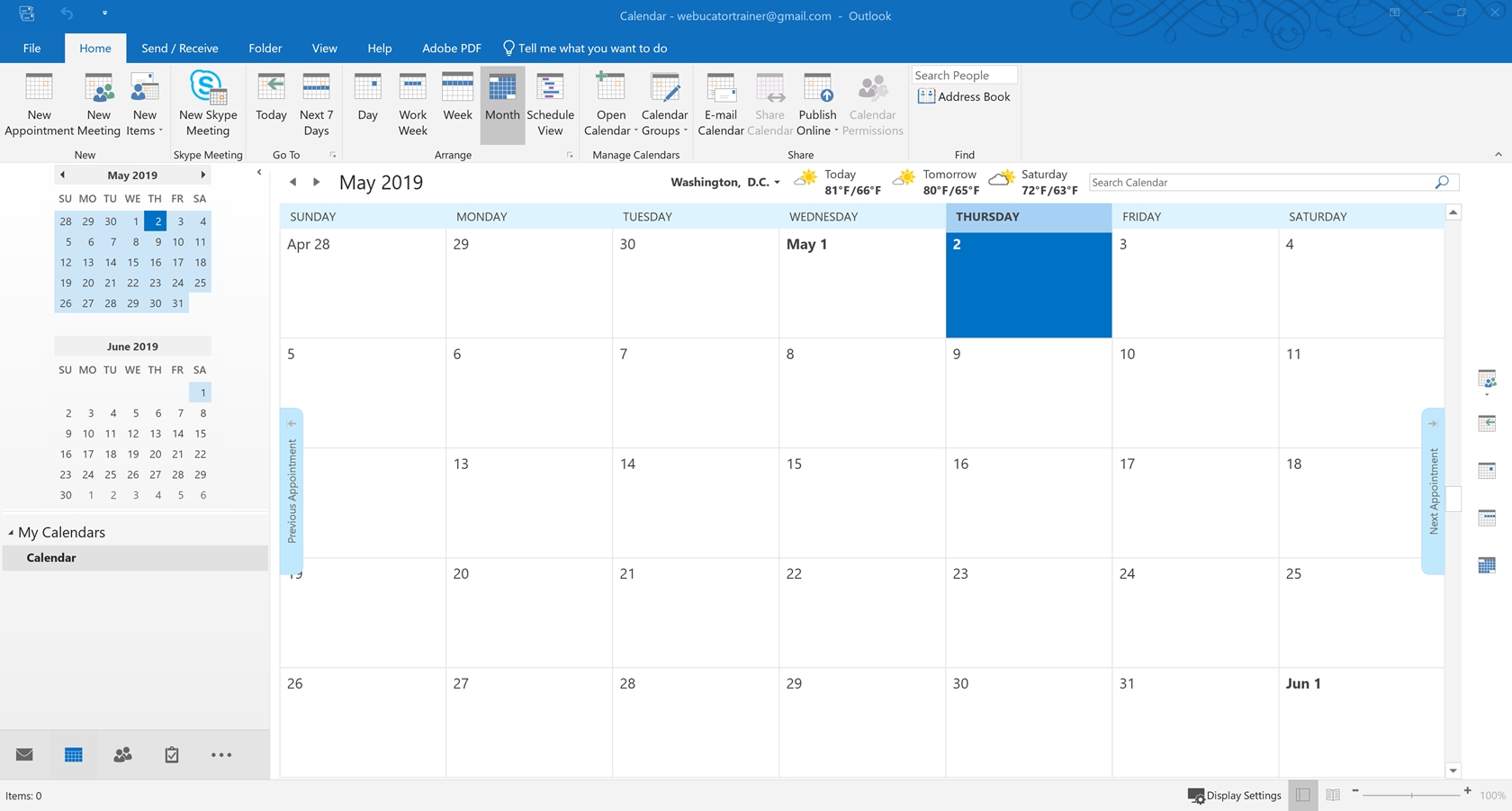
That is essentially the most simple technique. Open your Outlook 365 calendar, right-click on the calendar you want to share, and choose "Share". This opens a dialogue field the place you possibly can enter the e-mail addresses of the individuals you wish to share with. You can too customise the permission degree for every recipient. This technique is good for sharing with a small variety of people.
2. Sharing by way of Calendar Permissions:
For extra granular management, you possibly can handle calendar permissions instantly. This technique lets you assign particular permissions to particular person customers or teams. Navigate to "Calendar" -> "Handle Sharing Permissions". Right here, you possibly can add customers, take away customers, and modify their current permission ranges. That is significantly helpful for managing entry for a big staff or for assigning totally different ranges of entry based mostly on roles and duties.
3. Utilizing Delegate Entry:
Delegate entry lets you grant somebody full management over your calendar, enabling them to handle appointments, create new occasions, and even ship emails in your behalf. That is usually used for administrative assistants or colleagues who want intensive entry to your schedule. This differs from easy sharing because it grants considerably extra energy. You’ll be able to handle delegate entry by means of the "Calendar" -> "Handle Sharing Permissions" part as properly.
4. Public Folders (Much less Really useful for Trendy Workflows):
Whereas Outlook permits for creating public folders, this technique is much less really useful for contemporary collaborative workflows. Public folders are sometimes much less safe and lack the granular management provided by direct sharing and delegate entry. They’re typically higher fitted to archiving data relatively than real-time collaboration.
Understanding Permission Ranges
The effectiveness of shared calendars hinges on understanding and accurately setting permission ranges. Outlook 365 presents a number of choices:
-
Reviewer: This permission degree permits recipients to view your calendar however not make any modifications. They’ll see your appointments, however they can not add, edit, or delete something. That is excellent for sharing your availability with out giving up management over your schedule.
-
Editor: This permission degree grants recipients the flexibility to view and modify your calendar. They’ll add, edit, and delete appointments, however they can not handle the calendar’s general settings. That is appropriate for staff members who must coordinate schedules and make modifications as wanted.
-
Proprietor: This permission degree grants full management over the calendar. The recipient can handle all features of the calendar, together with sharing permissions, deleting occasions, and altering calendar settings. That is usually reserved for delegates or people with full duty for managing the calendar.
Choosing the proper permission degree is essential. Granting extreme permissions will increase the danger of unauthorized modifications, whereas overly restrictive permissions can hinder collaboration.
Greatest Practices for Managing Shared Calendars
To maximise the advantages of shared calendars and keep away from frequent pitfalls, think about these greatest practices:
-
Clearly Outline Permissions: Earlier than sharing your calendar, decide the suitable permission degree for every recipient. Clearly talk these permissions to make sure everybody understands their entry rights.
-
Repeatedly Evaluate Permissions: Periodically assessment the permissions granted to make sure they continue to be related and applicable. Take away entry for people who not require it.
-
Use Descriptive Topic Traces: When including occasions to a shared calendar, use clear and descriptive topic traces to convey the aim of the occasion. This enhances readability and improves communication.
-
Make the most of Classes and Shade-Coding: Categorize and color-code occasions to simply distinguish between several types of appointments. This improves visible group and facilitates fast identification of particular occasions.
-
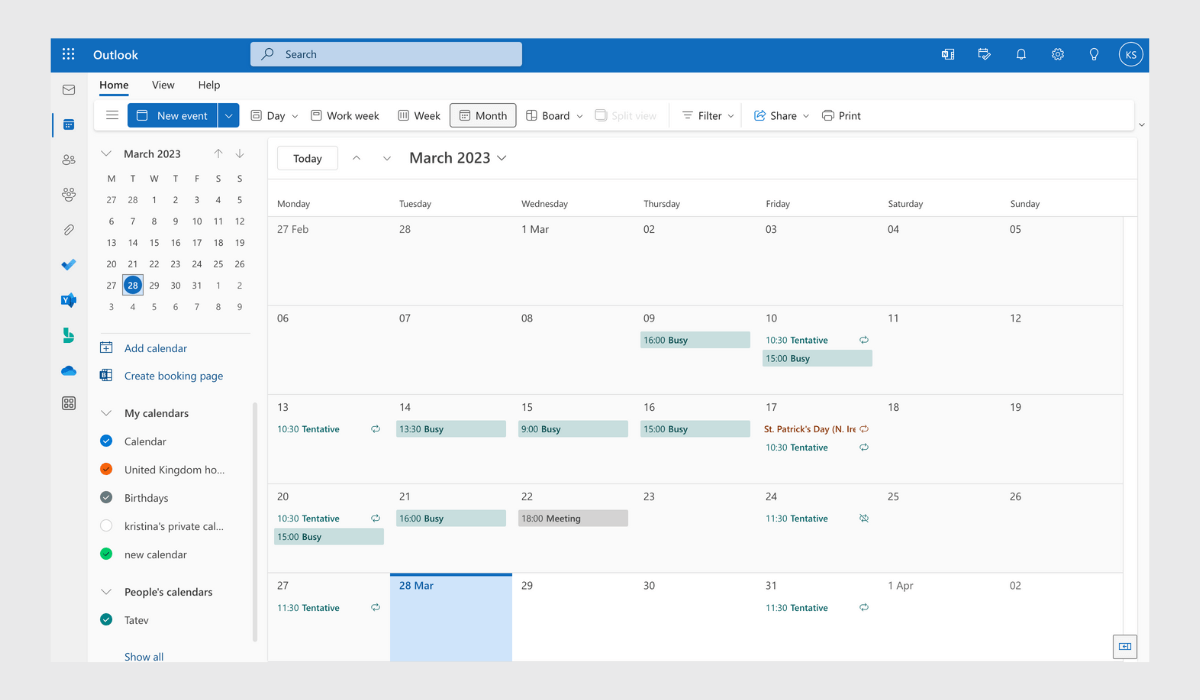
Contemplate Calendar Overlays: Outlook’s calendar overlay function lets you view a number of calendars concurrently. This offers a complete view of your schedule and the schedules of others you have shared calendars with.
-
Talk Adjustments: For those who make vital modifications to your calendar sharing settings, inform the affected people to keep away from confusion.
Troubleshooting Widespread Points
Regardless of cautious planning, points can come up when sharing calendars. Listed here are some frequent issues and their options:
-
Recipient Can not Entry the Calendar: Confirm that the recipient’s e mail tackle is accurately entered and that they’ve the suitable permissions. Verify for any community connectivity points or Outlook configuration issues on the recipient’s finish.
-
Calendar Reveals Incorrect Data: Make sure that the calendar is synchronized accurately. Verify for any conflicts between totally different calendar variations or knowledge synchronization issues.
-
Permissions Are Not Working as Anticipated: Evaluate the assigned permissions to make sure they’re accurately configured. Contemplate resetting permissions or contacting your IT assist for help.
-
Calendar is Too Busy to Handle: If the shared calendar turns into excessively cluttered, think about creating separate calendars for particular functions or utilizing filtering choices to concentrate on related occasions.
Conclusion
Mastering shared calendars in Outlook 365 is an important talent for efficient collaboration. By understanding the assorted sharing strategies, permission ranges, and greatest practices, you possibly can considerably improve staff productiveness and reduce scheduling conflicts. Bear in mind to recurrently assessment your sharing settings, talk modifications clearly, and troubleshoot any points promptly to make sure a clean and environment friendly collaborative expertise. With cautious planning and a spotlight to element, shared calendars can rework the way you handle your time and collaborate with others.





Closure
Thus, we hope this text has offered priceless insights into Mastering Shared Calendars in Outlook 365: A Complete Information. We thanks for taking the time to learn this text. See you in our subsequent article!