Mastering the 28-Day Pay Cycle Calendar: A Complete Information for Companies and Staff
Associated Articles: Mastering the 28-Day Pay Cycle Calendar: A Complete Information for Companies and Staff
Introduction
With enthusiasm, let’s navigate via the intriguing matter associated to Mastering the 28-Day Pay Cycle Calendar: A Complete Information for Companies and Staff. Let’s weave fascinating info and provide recent views to the readers.
Desk of Content material
Mastering the 28-Day Pay Cycle Calendar: A Complete Information for Companies and Staff

The standard bi-weekly or month-to-month payroll cycle is a deeply ingrained observe in lots of organizations. Nonetheless, a rising variety of companies are exploring different pay schedules, with the 28-day pay cycle rising as a robust contender. This text delves into the intricacies of a 28-day pay cycle calendar, exploring its benefits, disadvantages, and sensible implementation, providing a complete information for each employers and staff.
Understanding the 28-Day Pay Cycle
A 28-day pay cycle, because the identify suggests, calculates payroll each 4 weeks. Not like a bi-weekly cycle (each two weeks), which can lead to various numbers of days between pay durations, the 28-day cycle provides constant, predictable pay dates. This regularity stems from its alignment with the lunar cycle, roughly 28 days, providing a singular rhythm to payroll processing.
Benefits of a 28-Day Pay Cycle
The 28-day pay cycle presents a number of compelling benefits for each employers and staff:
For Employers:
- Simplified Payroll Processing: The constant four-week cycle simplifies payroll administration. Calculating wages, deductions, and producing paychecks turns into extra streamlined and predictable, lowering administrative burden and potential errors. This consistency is especially helpful for companies with automated payroll programs.
- Improved Budgeting and Forecasting: The predictable pay cycle permits for extra correct budgeting and monetary forecasting. Figuring out exactly when payroll bills will happen improves money move administration and reduces the danger of surprising monetary shortfalls.
- Enhanced Worker Satisfaction (Probably): Whereas this profit is debated, some argue that the constant pay dates enhance worker morale and cut back monetary stress by offering a extra predictable revenue stream. That is notably related for workers who depend on constant revenue for budgeting.
- Simpler Yr-Finish Reconciliation: The constant cycle simplifies year-end accounting and tax reporting. The variety of pay durations in a yr is definitely calculable (roughly 13), making reconciliation processes smoother.
- Higher Alignment with Challenge Administration: For companies with project-based work, a 28-day cycle can align higher with challenge timelines, permitting for simpler monitoring of labor prices and challenge profitability.
For Staff:
- Predictable Earnings: Probably the most important benefit for workers is the predictability of their revenue. Figuring out precisely when their paycheck will arrive every month permits for higher budgeting and monetary planning, lowering stress associated to fluctuating revenue.
- Simpler Budgeting: Constant revenue simplifies budgeting. Staff can create dependable month-to-month budgets, plan for bills, and observe their spending extra successfully.
- Lowered Monetary Stress: The constant revenue stream reduces monetary stress and nervousness related to unpredictable pay dates. This stability can positively impression general well-being.
Disadvantages of a 28-Day Pay Cycle
Whereas the 28-day pay cycle provides many advantages, it additionally presents some potential drawbacks:
- Preliminary Implementation Challenges: Switching from an current payroll system to a 28-day cycle requires cautious planning and implementation. This transition interval would possibly contain some preliminary confusion and changes for each employers and staff. Current payroll software program might have modification or substitute.
- Various Variety of Paydays Per Yr: Not like the mounted variety of paydays in bi-weekly or month-to-month cycles, the 28-day cycle leads to 13 pay durations in most years, and 14 in leap years. This variation must be accounted for in annual budgeting and monetary planning.
- Potential for Confusion: Staff accustomed to bi-weekly or month-to-month paychecks would possibly want time to regulate to the brand new cycle. Clear communication and coaching are essential for a clean transition.
- Affect on Advantages Administration: The shift to a 28-day cycle would possibly require changes to learn administration programs, notably for advantages calculated on a month-to-month or bi-weekly foundation.
- Not Appropriate for All Companies: The 28-day cycle may not be appropriate for all companies, notably these with extremely fluctuating workloads or advanced payroll constructions.
Implementing a 28-Day Pay Cycle Calendar
Efficiently implementing a 28-day pay cycle requires meticulous planning and execution. Here is a step-by-step information:
- Evaluation and Planning: Completely assess the present payroll system, processes, and worker wants. Decide the feasibility of switching to a 28-day cycle, contemplating the potential impression on numerous facets of the enterprise.
- Software program and System Updates: Replace or exchange payroll software program to accommodate the brand new pay cycle. Make sure the system can precisely calculate wages, deductions, and generate paychecks based mostly on the 28-day cycle.
- Communication and Coaching: Talk the change to staff nicely prematurely, offering clear explanations and addressing any considerations. Supply coaching to familiarize staff with the brand new pay schedule.
- Knowledge Migration: Precisely migrate worker information to the brand new payroll system, guaranteeing information integrity and accuracy.
- Pilot Program (Non-compulsory): Think about a pilot program to check the brand new system earlier than a full-scale implementation. This permits for figuring out and resolving potential points earlier than affecting all the workforce.
- Ongoing Monitoring and Analysis: Repeatedly monitor the effectiveness of the 28-day cycle, monitoring payroll processing effectivity, worker satisfaction, and any unexpected challenges. Often consider the system and make changes as wanted.
Making a 28-Day Pay Cycle Calendar
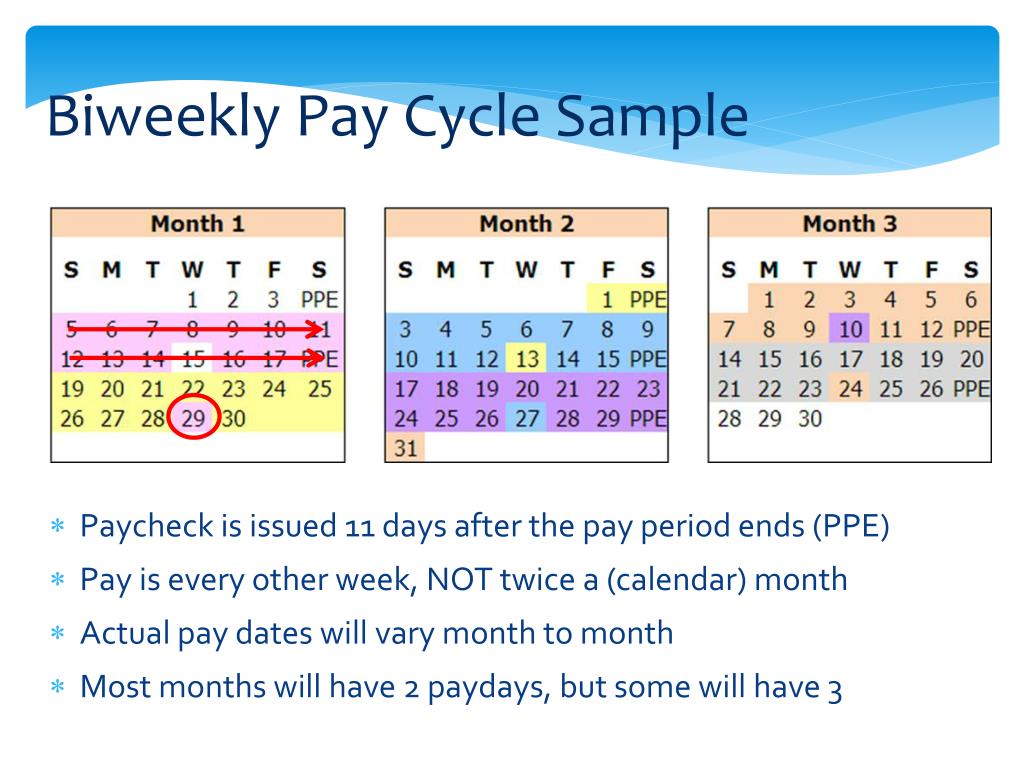
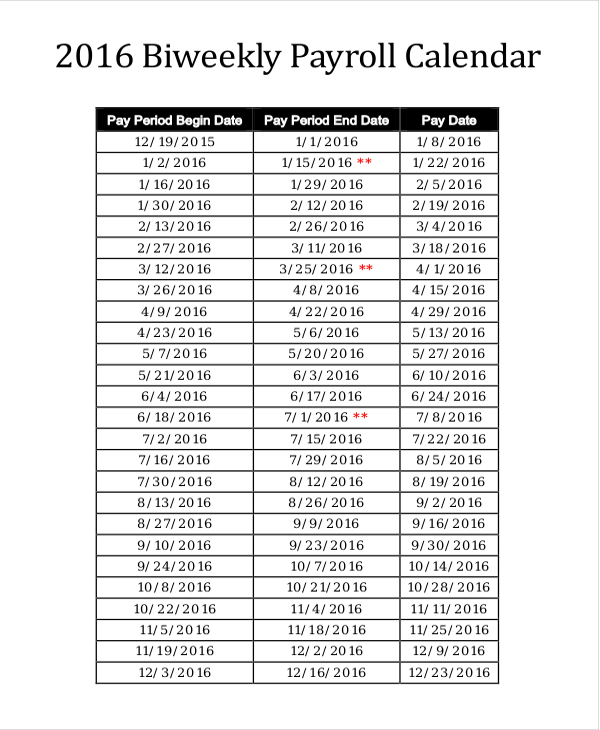
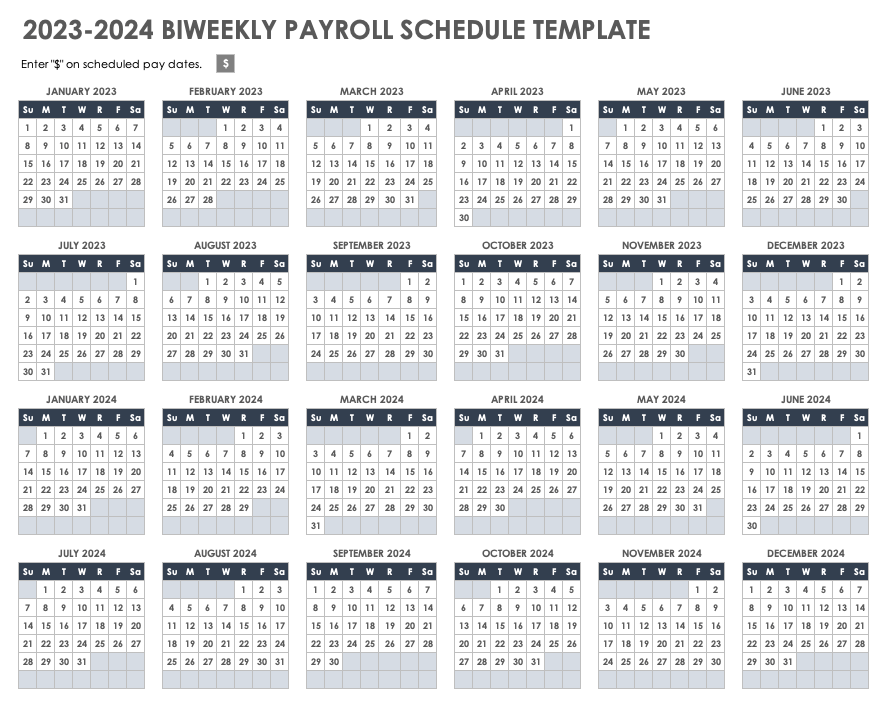
Making a 28-day pay cycle calendar includes choosing a beginning date and persistently including 28 days to find out subsequent pay dates. It is essential to contemplate holidays and weekends to make sure paychecks are distributed on working days. Spreadsheet software program like Excel or Google Sheets can be utilized to create and handle the calendar. Think about using a calendar template particularly designed for 28-day pay cycles to simplify the method. The calendar ought to clearly point out pay durations, pay dates, and any related holidays or non-working days.
Conclusion:
The 28-day pay cycle presents a compelling different to conventional payroll schedules, providing important benefits for each employers and staff. Whereas it requires cautious planning and implementation, the potential advantages – simplified payroll processing, improved budgeting, and enhanced worker satisfaction – make it a worthwhile consideration for a lot of companies. Nonetheless, it is essential to weigh the benefits and drawbacks fastidiously and assess the suitability of this cycle in your particular organizational context earlier than making the transition. A radical understanding of the implications and a well-executed implementation plan are key to efficiently adopting a 28-day pay cycle and reaping its quite a few advantages. Bear in mind, open communication and proactive worker engagement are essential all through all the course of to make sure a clean and profitable transition.




Closure
Thus, we hope this text has supplied priceless insights into Mastering the 28-Day Pay Cycle Calendar: A Complete Information for Companies and Staff. We hope you discover this text informative and helpful. See you in our subsequent article!