Navigating the Hues of Religion: A Complete Information to the 2025 Catholic Liturgical Coloration Calendar
Associated Articles: Navigating the Hues of Religion: A Complete Information to the 2025 Catholic Liturgical Coloration Calendar
Introduction
On this auspicious event, we’re delighted to delve into the intriguing matter associated to Navigating the Hues of Religion: A Complete Information to the 2025 Catholic Liturgical Coloration Calendar. Let’s weave fascinating data and provide contemporary views to the readers.
Desk of Content material
Navigating the Hues of Religion: A Complete Information to the 2025 Catholic Liturgical Coloration Calendar
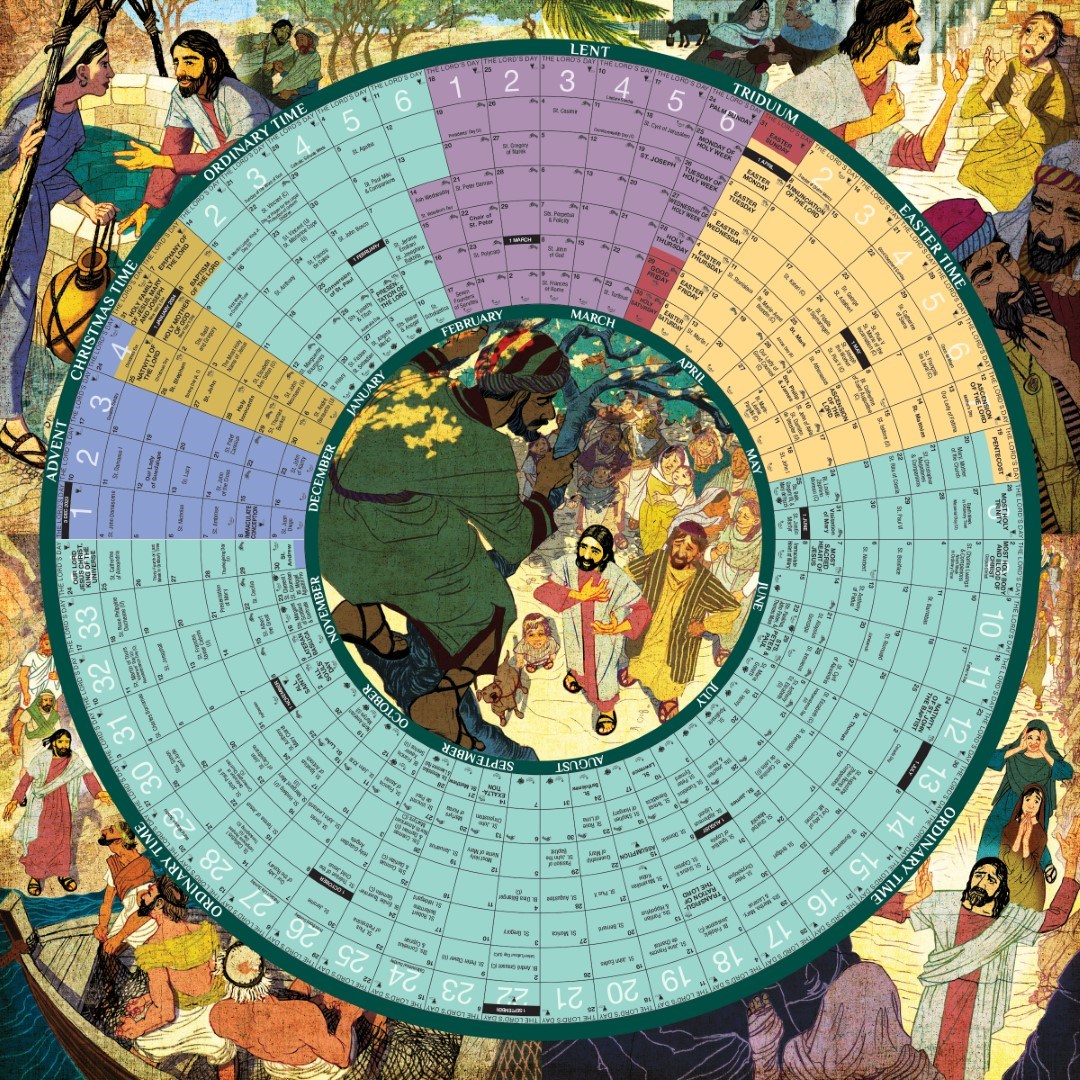
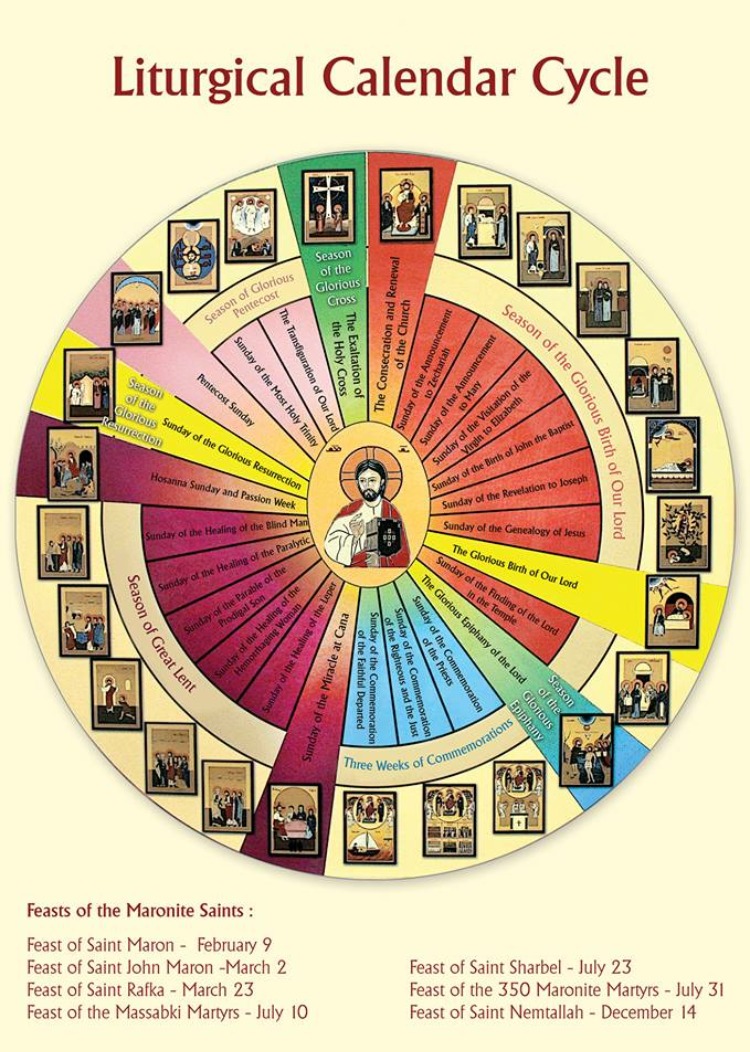
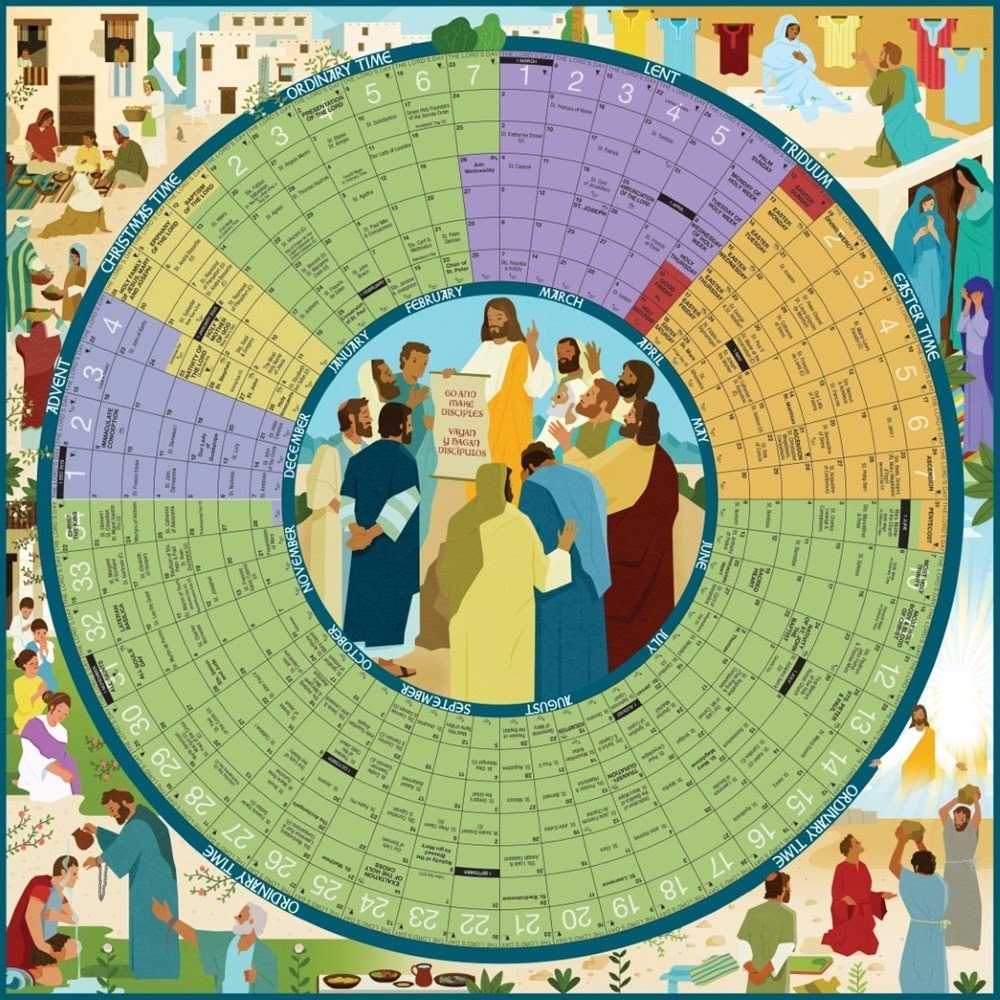
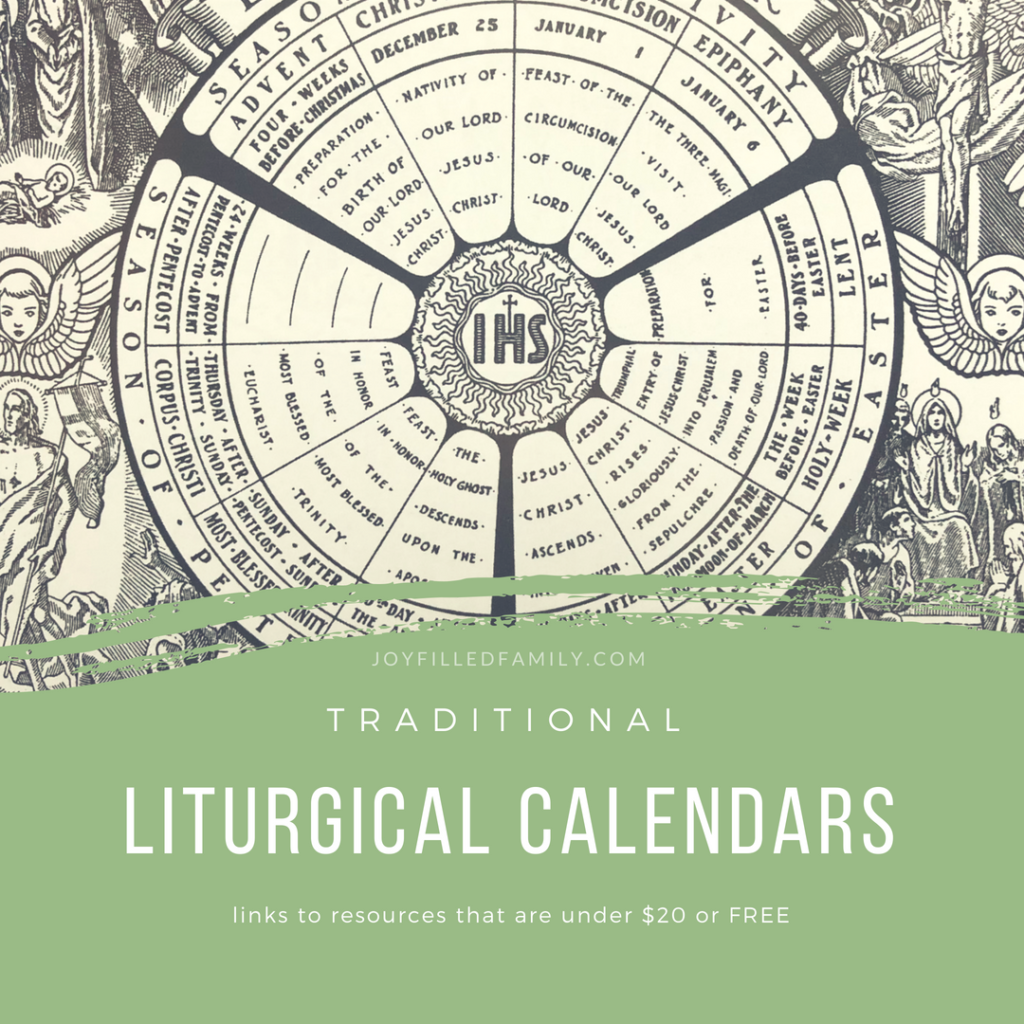
The liturgical calendar of the Catholic Church, a vibrant tapestry woven from scripture, custom, and symbolism, guides the devoted by the yr’s religious journey. Central to this journey is using liturgical colours, every hue carrying its personal theological weight and signifying the actual season or solemnity being celebrated. 2025, like yearly, presents its distinctive association of those colours, reflecting the rhythm of the Church’s life. This text gives a complete exploration of the 2025 Catholic liturgical coloration calendar, delving into the that means behind every coloration and its utility all year long.
Understanding the Significance of Liturgical Colours:
Using liturgical colours just isn’t merely an aesthetic alternative; it is a deeply rooted custom that enhances the liturgical expertise. Colours function visible aids, subtly guiding the congregation’s understanding of the day’s celebration. They convey the dominant theme and temper, making ready the hearts and minds of the devoted for the sacred mysteries being unfolded. The colours aren’t arbitrary; they’re rigorously chosen to resonate with the theological significance of every liturgical season and feast.
The Key Colours and Their Symbolism:
The first liturgical colours employed are:
-
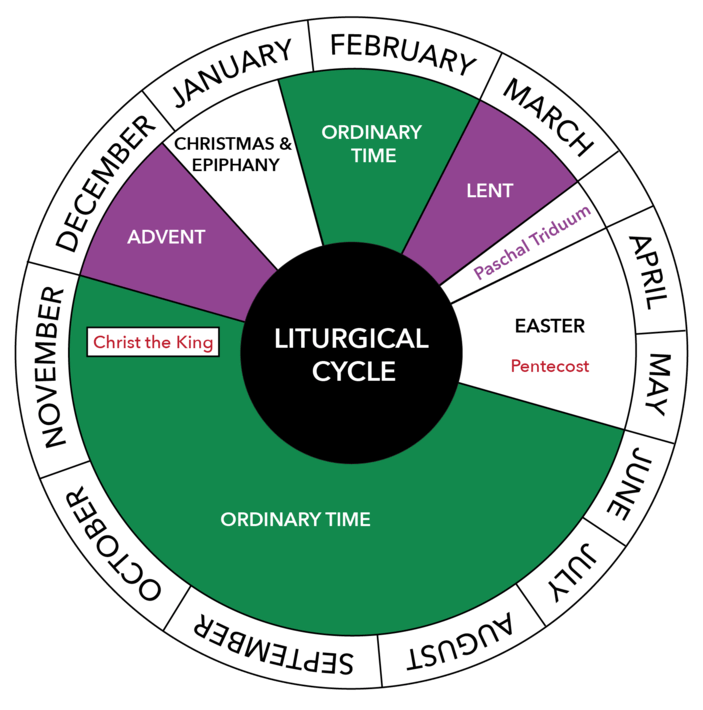
White/Gold: This coloration represents purity, pleasure, glory, and victory. It’s primarily used on feasts of the Lord (Christmas, Epiphany, Ascension, and so on.), the solemnity of the Blessed Virgin Mary, saints, and different important celebrations. Gold, a extra opulent variation, typically signifies royalty and divine majesty.
-
Inexperienced: The colour of bizarre time, inexperienced symbolizes hope, progress, and the continuing life of religion. It’s used all through the liturgical yr outdoors of Introduction, Lent, Eastertide, and different particular seasons. It represents the bizarre but very important journey of discipleship.
-
Purple/Violet: This penitential coloration signifies preparation, penance, and reflection. It’s used throughout Introduction and Lent, highlighting the seasons of expectant ready and religious renewal earlier than Christmas and Easter. Deep purple, or violet, typically connotes a extra solemn tone.
-
Crimson: Crimson symbolizes the blood of Christ, martyrdom, the Holy Spirit, and the hearth of the Holy Spirit. It’s used on Pentecost Sunday, Palm Sunday, Good Friday (although typically black is used), and for feasts of martyrs and apostles. Its vibrant nature conveys a way of ardour and sacrifice.
-
Rose: A much less continuously used coloration, rose is a shade between purple and crimson, and signifies pleasure and anticipation. It’s used on the Third Sunday of Introduction (Gaudete Sunday) and the Fourth Sunday of Lent (Laetare Sunday), signifying a second of rejoicing amidst the penitential seasons.
-
Black: Black symbolizes mourning, loss of life, and penance. Whereas much less widespread in trendy follow, it’s generally used on Good Friday and through funerals.
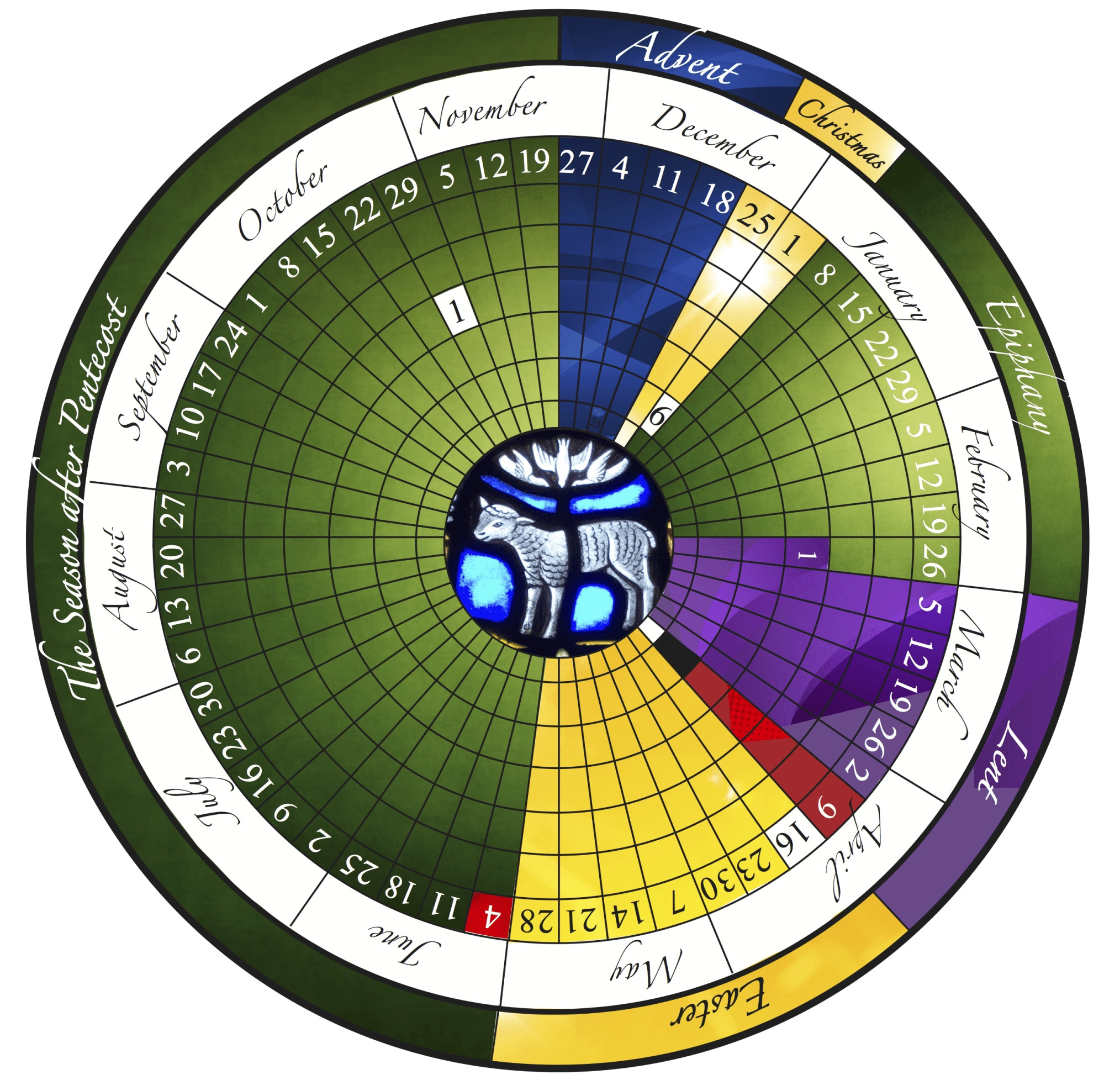
The 2025 Catholic Liturgical Coloration Calendar: A Month-by-Month Overview:
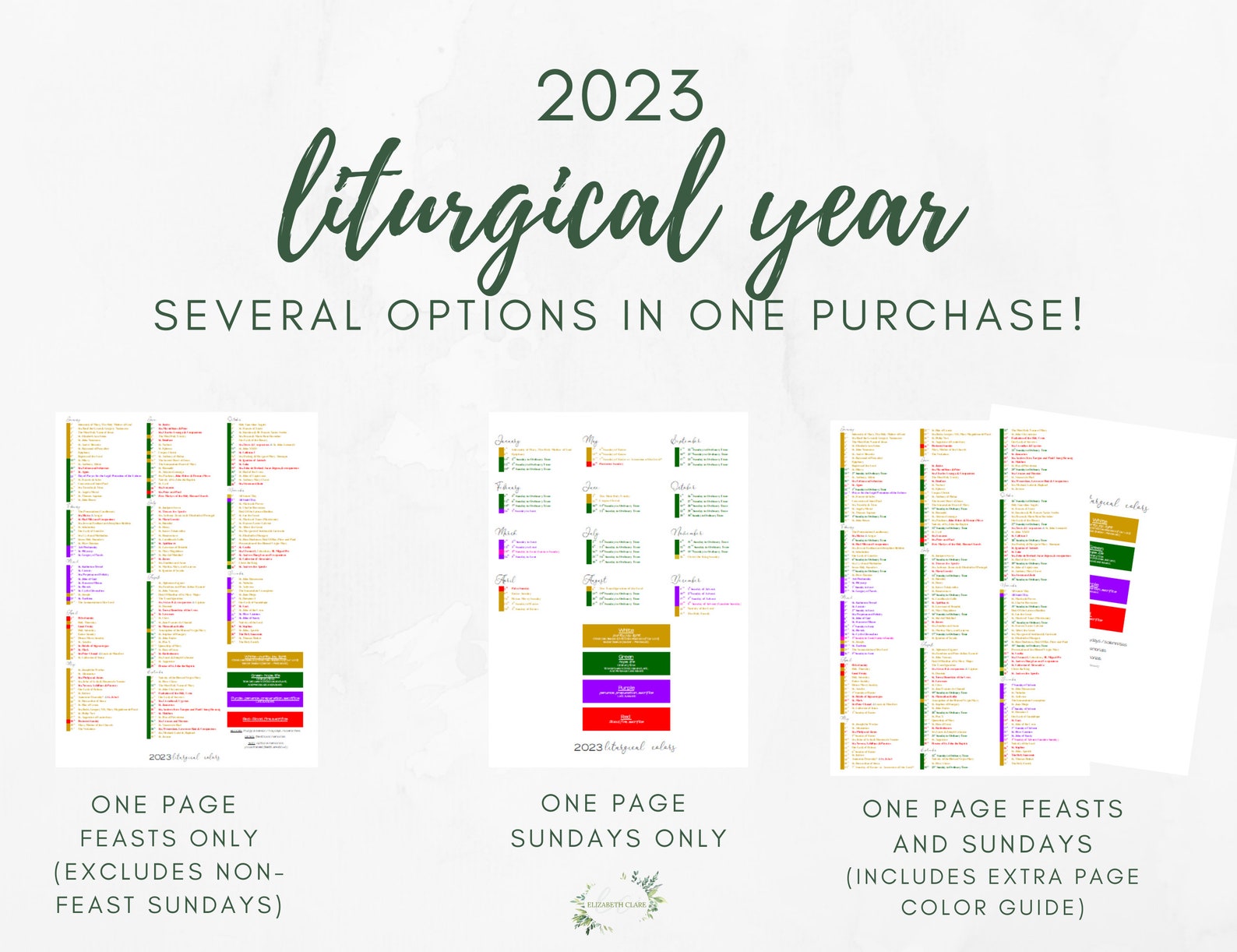
Whereas a exact day-by-day calendar requires entry to a particular liturgical calendar, we will present a basic overview of the colour utilization for every month in 2025, holding in thoughts that particular feast days will dictate the colour used on these specific dates:
January: January begins with the Christmas season (White/Gold) persevering with for the octave of Christmas. After the octave, the liturgical coloration shifts to Inexperienced, the colour of Peculiar Time, which can persist for a lot of the month. Particular feast days inside the month might name for different colours (e.g., Crimson for a martyr’s feast).
February: February usually continues with Inexperienced for Peculiar Time. Relying on the yr, Candlemas (the Feast of the Presentation of the Lord) on February 2nd would possibly name for White/Gold.
March: March marks the start of Lent, and the liturgical coloration shifts to Purple/Violet. This penitential coloration stays dominant all through Lent.
April: April is dominated by Holy Week and Eastertide. Purple/Violet continues by Holy Week (Palm Sunday, Maundy Thursday, Good Friday – although Black is likely to be used on Good Friday), then shifts to White/Gold for Easter Sunday and the Easter season.
Might: Might sees the continuation of White/Gold for the Easter season, step by step transitioning again to Inexperienced for Peculiar Time because the Easter season concludes. Many Marian feasts in Might might name for White/Gold.
June: June usually falls inside Peculiar Time, with Inexperienced because the predominant liturgical coloration. Relying on the precise dates of feast days, different colours could also be used.
July: July, like June, is essentially characterised by Inexperienced throughout Peculiar Time, with potential exceptions for particular feasts.
August: August usually continues with Inexperienced for Peculiar Time.
September: September marks the start of Peculiar Time and due to this fact Inexperienced is the dominant coloration, though particular feasts might necessitate a change.
October: October is usually Inexperienced for Peculiar Time, however because it approaches the top of the yr, it could see a transition or inclusion of different colours relying on the precise feasts and solemnities.
November: November begins with Peculiar Time (Inexperienced), however because it approaches Introduction, there is likely to be a mix of Inexperienced and Purple/Violet because the liturgical yr transitions.
December: December is marked by Introduction, with Purple/Violet as the first coloration, signifying preparation for Christmas. The colour shifts to White/Gold for Christmas and continues by the octave.
Past the Fundamentals:
This overview supplies a basic framework. The exact utility of liturgical colours for every day of 2025 requires consulting a particular liturgical calendar revealed by the related diocesan or non secular order. Variations might exist relying on the precise liturgical ceremony being celebrated (Roman Ceremony, Ambrosian Ceremony, and so on.).
The Significance of Context:
It is essential to do not forget that the liturgical colours aren’t merely ornamental components. They’re integral to the liturgical expertise, enriching the understanding and participation of the devoted. Their that means is enhanced by the context of the liturgical season and the precise celebration being noticed. By listening to the colours used, the devoted are invited to deepen their engagement with the mysteries of religion and the unfolding drama of salvation historical past.
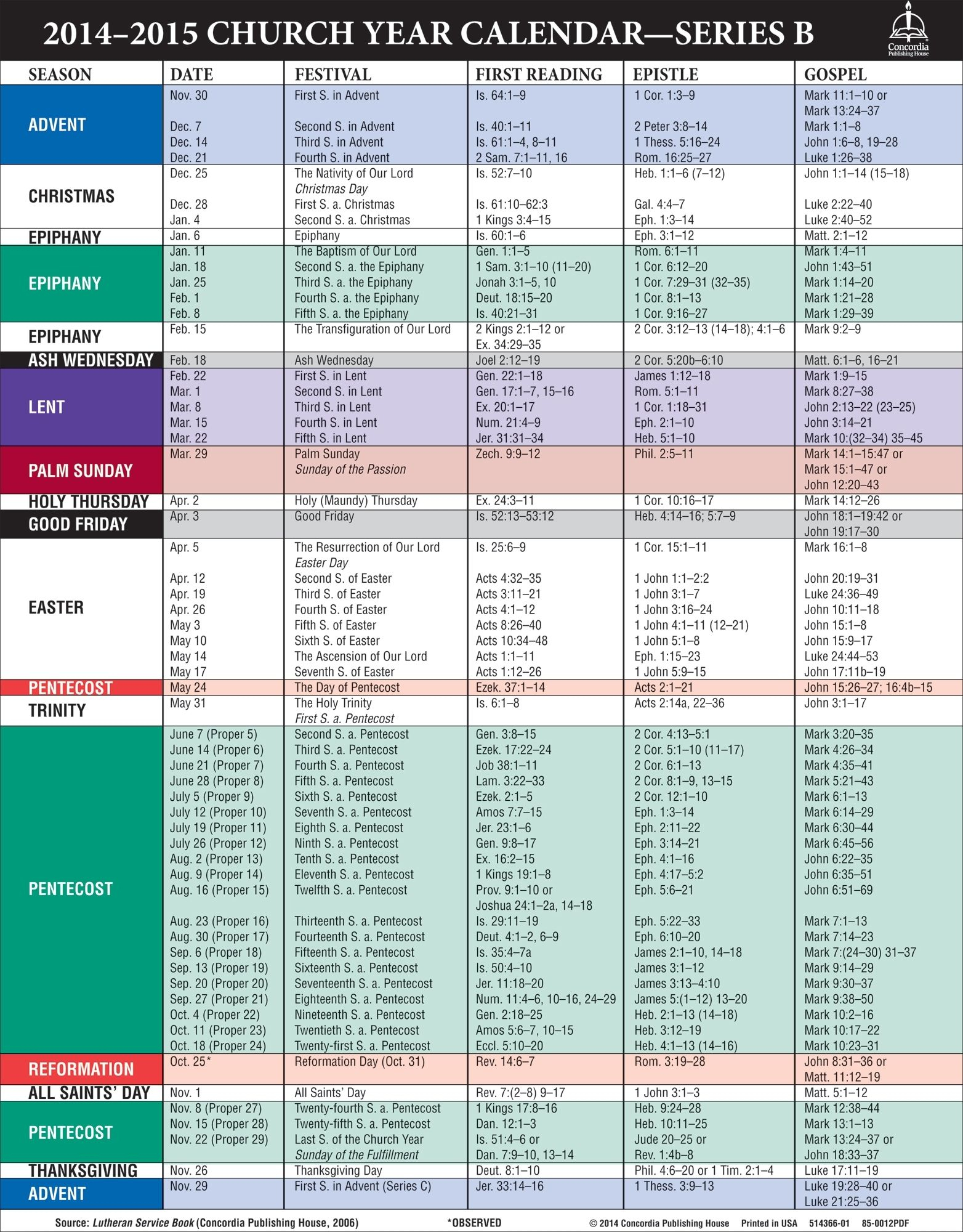
In conclusion, the 2025 Catholic liturgical coloration calendar, whereas seemingly easy, supplies a wealthy tapestry of symbolism and that means, guiding the devoted by the yr’s religious journey. By understanding the importance of every coloration, we will extra absolutely recognize the sweetness and depth of the Catholic liturgical custom and take part extra meaningfully within the celebration of the sacred mysteries. Consulting an in depth liturgical calendar will present the exact coloration for every day, permitting for a deeper engagement with the liturgical yr and its profound symbolism.

Closure
Thus, we hope this text has supplied worthwhile insights into Navigating the Hues of Religion: A Complete Information to the 2025 Catholic Liturgical Coloration Calendar. We thanks for taking the time to learn this text. See you in our subsequent article!