The 270-to-Win Major Calendar: A Race Towards Time and Geography
Associated Articles: The 270-to-Win Major Calendar: A Race Towards Time and Geography
Introduction
On this auspicious event, we’re delighted to delve into the intriguing subject associated to The 270-to-Win Major Calendar: A Race Towards Time and Geography. Let’s weave fascinating data and provide recent views to the readers.
Desk of Content material
The 270-to-Win Major Calendar: A Race Towards Time and Geography
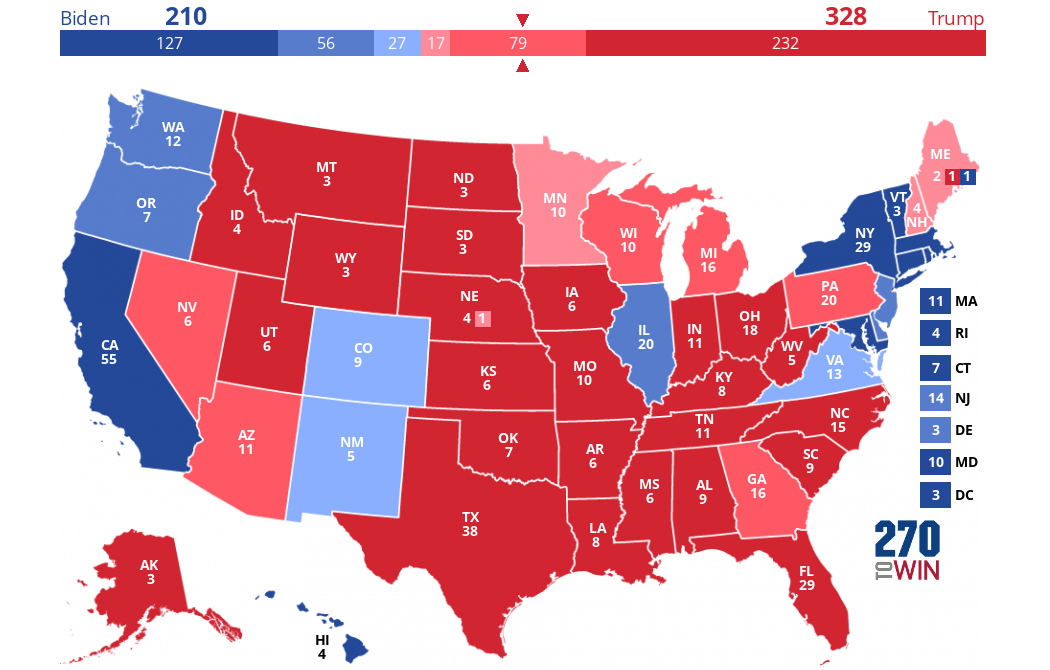
The American presidential major system, a sprawling, multi-state marathon, presents a singular strategic problem to candidates: securing the 270 electoral votes wanted to win the overall election. Nonetheless, the trail to that final objective begins lengthy earlier than November, within the usually chaotic and unpredictable panorama of the first calendar. This calendar, with its staggered schedule of caucuses and primaries throughout various states, dictates the rhythm of the marketing campaign, influencing fundraising, messaging, and in the end, the nominee’s viability. Understanding the dynamics of this 270-to-win major calendar is essential to comprehending the complexities of the American presidential choice course of.
The present major calendar is way from a superbly designed system. It is a patchwork quilt of state legal guidelines, political energy performs, and historic precedent, resulting in a regularly criticized uneven distribution of affect and a possible for early frontrunners to dominate or for late-surging candidates to disrupt the race. The early-voting states, usually small and demographically unrepresentative of the nation as an entire, maintain disproportionate energy in shaping the narrative and the momentum of the race. This creates a strain cooker setting the place candidates should carry out effectively early on, usually on the expense of a broader, extra sustainable technique for the later levels of the primaries.
The Early States: A Important First Impression
The "first 4" – Iowa, New Hampshire, Nevada, and South Carolina – historically maintain essentially the most weight within the early levels. Iowa, with its caucus system, calls for a robust floor recreation and the power to mobilize devoted volunteers. New Hampshire, recognized for its impartial streak, rewards candidates who can join with reasonable voters and show a broad attraction. Nevada, with its more and more various inhabitants, presents an important take a look at for candidates’ capability to resonate with Latino voters and different minority teams. South Carolina, a historically conservative state, provides a vital take a look at for candidates’ viability throughout the Republican social gathering, significantly given its important affect on the Southern states.
These early contests act as essential filters. Robust performances in these states can generate important media consideration, appeal to endorsements, and enhance fundraising, making a self-reinforcing cycle that may propel a candidate to frontrunner standing. Conversely, poor showings can cripple a marketing campaign earlier than it even has an opportunity to achieve momentum, forcing candidates to re-evaluate their methods and even drop out of the race totally. The strain to carry out effectively in these early states usually leads candidates to tailor their messaging to the precise demographics and political preferences of every state, doubtlessly alienating voters elsewhere.
The Significance of Geography and Demographics:
The 270-to-win technique extends past merely profitable states; it is about profitable the proper states. Candidates should rigorously take into account the geographic distribution of electoral votes and the demographic make-up of every state. States with giant populations, like California, Texas, and Florida, provide a considerable variety of delegates, making them prime targets for candidates in search of a decisive victory. Nonetheless, the price of campaigning in these giant states could be prohibitive, forcing candidates to prioritize their assets strategically.
Moreover, the demographic make-up of every state performs a vital position. Candidates have to tailor their messages and marketing campaign methods to resonate with the precise demographics of every state. States with giant minority populations, as an example, require candidates to deal with problems with specific concern to those communities. Equally, states with sturdy union memberships could require candidates to deal with staff’ rights and financial inequality. The 270-to-win technique, subsequently, requires a nuanced understanding of the various political panorama throughout the USA.
The Position of Tremendous Tuesday and Past:
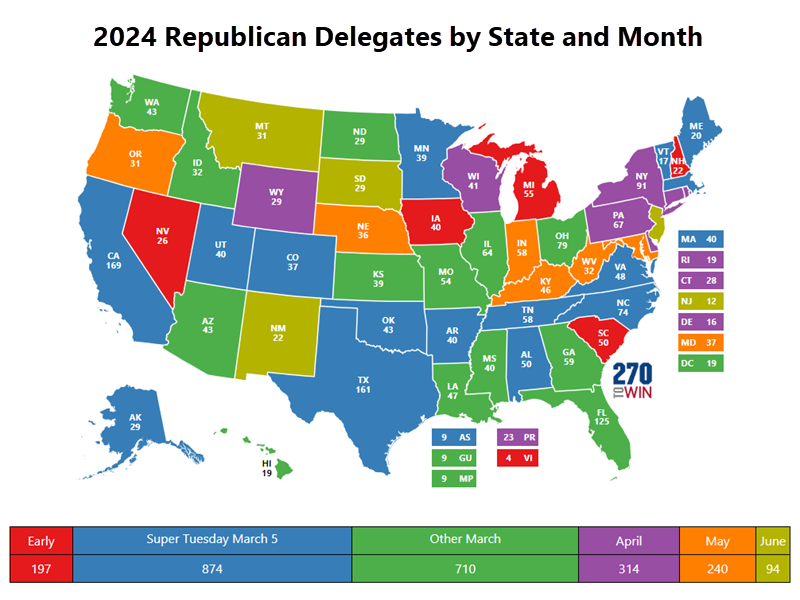
Tremendous Tuesday, usually held in early March, marks a major turning level within the major calendar. A lot of states maintain their primaries on at the present time, providing an important alternative for candidates to show broad attraction and safe a major variety of delegates. A powerful efficiency on Tremendous Tuesday can solidify a candidate’s frontrunner standing, whereas a poor displaying can sign the tip of their marketing campaign.
Following Tremendous Tuesday, the race continues with a collection of primaries and caucuses unfold throughout the nation. Candidates should proceed to adapt their methods to the precise challenges of every state, whereas additionally sustaining a nationwide narrative that resonates with voters throughout various areas and demographics. The later primaries usually change into much less about securing delegates and extra about solidifying the candidate’s picture and getting ready for the overall election.
The Challenges of the Present System:
The present major calendar faces a number of criticisms. The disproportionate affect of early-voting states raises issues concerning the representativeness of the method. The emphasis on profitable early states can result in candidates neglecting different areas and prioritizing short-term positive factors over long-term viability. The price of campaigning in a number of states may also create an uneven enjoying subject, favoring candidates with entry to substantial monetary assets.
Moreover, the calendar’s complexity could make it troublesome for voters to grasp the method and interact meaningfully within the number of their social gathering’s nominee. The staggered schedule and the various guidelines governing primaries and caucuses can create confusion and disenfranchise voters. Reform efforts aimed toward bettering the equity and effectivity of the first calendar are ongoing, however reaching a consensus on adjustments stays a major problem.
Methods for Successful the 270-to-Win Major Calendar:
Successful the first calendar requires a multifaceted technique that includes a number of key parts:
-
Early State Focus: Investing closely within the early states is essential for constructing momentum and attracting media consideration. This requires a robust floor recreation, efficient messaging tailor-made to every state’s demographics, and the power to mobilize volunteers.
-
Nationwide Technique: Whereas specializing in early states is vital, candidates should additionally develop a nationwide technique that resonates with voters throughout various areas. This requires a broad attraction and the power to adapt messaging to completely different audiences.
-
Useful resource Administration: Marketing campaign assets are restricted, requiring candidates to make strategic choices about the place to speculate their time, cash, and personnel. This requires cautious evaluation of the electoral panorama and the demographics of every state.
-
Adaptability: The first calendar is unpredictable, and candidates should be capable of adapt their methods because the race unfolds. This requires flexibility, responsiveness, and the power to study from errors.
-
Message Self-discipline: Sustaining a constant and compelling message is essential for constructing a robust model and attracting assist from voters. This requires clear communication and the power to articulate a imaginative and prescient that resonates with a broad viewers.
Conclusion:
The 270-to-win major calendar is a posh and dynamic course of that considerably influences the number of presidential nominees. The early states maintain disproportionate energy, making a strain cooker setting that rewards early success and punishes sluggish begins. Candidates should navigate a geographically and demographically various panorama, tailoring their methods to resonate with voters in every state whereas sustaining a nationwide narrative. The present system faces criticisms relating to equity and representativeness, prompting ongoing discussions about reform. In the end, profitable the first calendar requires a mixture of strategic planning, useful resource administration, adaptability, and a compelling message that resonates with a broad spectrum of American voters. The race to 270 begins lengthy earlier than the overall election, and understanding the intricacies of this major calendar is essential to comprehending the complexities of the American presidential choice course of.
Closure
Thus, we hope this text has supplied beneficial insights into The 270-to-Win Major Calendar: A Race Towards Time and Geography. We recognize your consideration to our article. See you in our subsequent article!