The Calendar 12 months Accounting Interval: A Complete Information
Associated Articles: The Calendar 12 months Accounting Interval: A Complete Information
Introduction
With nice pleasure, we’ll discover the intriguing matter associated to The Calendar 12 months Accounting Interval: A Complete Information. Let’s weave attention-grabbing info and provide contemporary views to the readers.
Desk of Content material
The Calendar 12 months Accounting Interval: A Complete Information

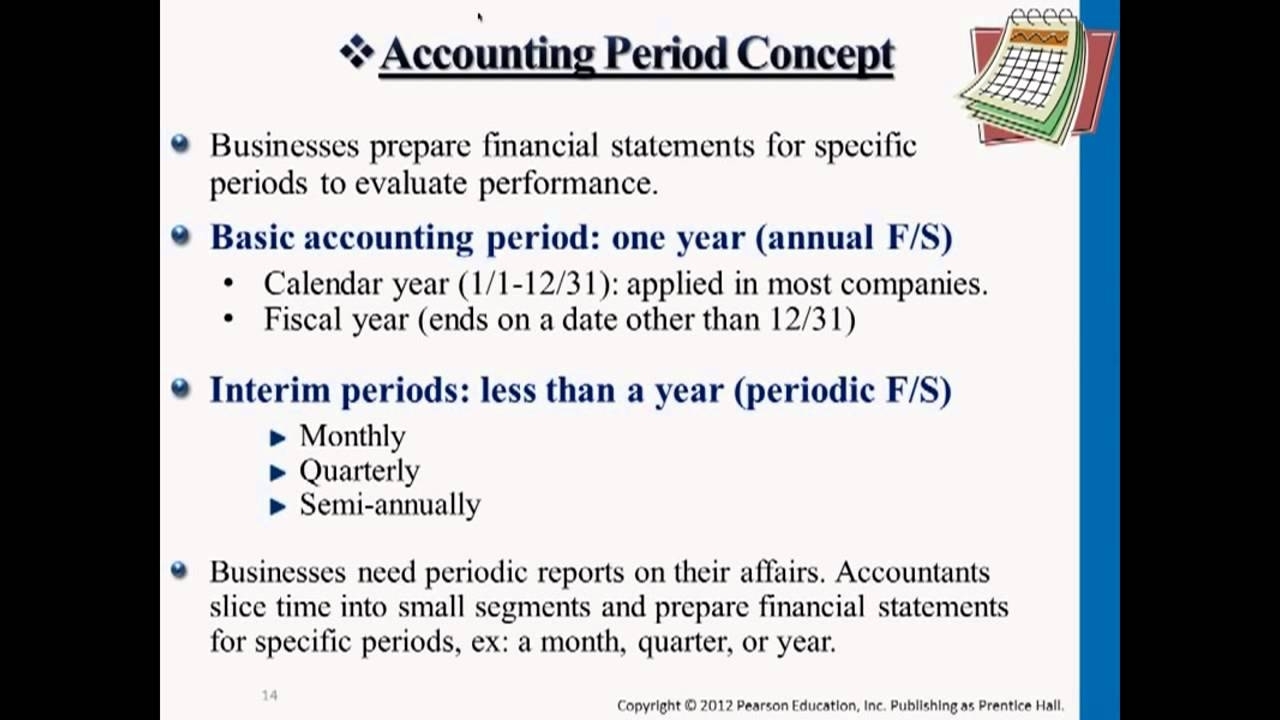
The calendar yr, a well-known and constant framework for organizing our lives, additionally serves as an important basis for a good portion of the enterprise world’s monetary reporting. A calendar yr accounting interval, spanning from January 1st to December thirty first, offers a standardized strategy to monitoring monetary efficiency, simplifying comparisons and fostering transparency. Whereas not the one accounting interval accessible, its prevalence necessitates an intensive understanding of its benefits, disadvantages, and sensible implications.
Defining the Calendar 12 months Accounting Interval:
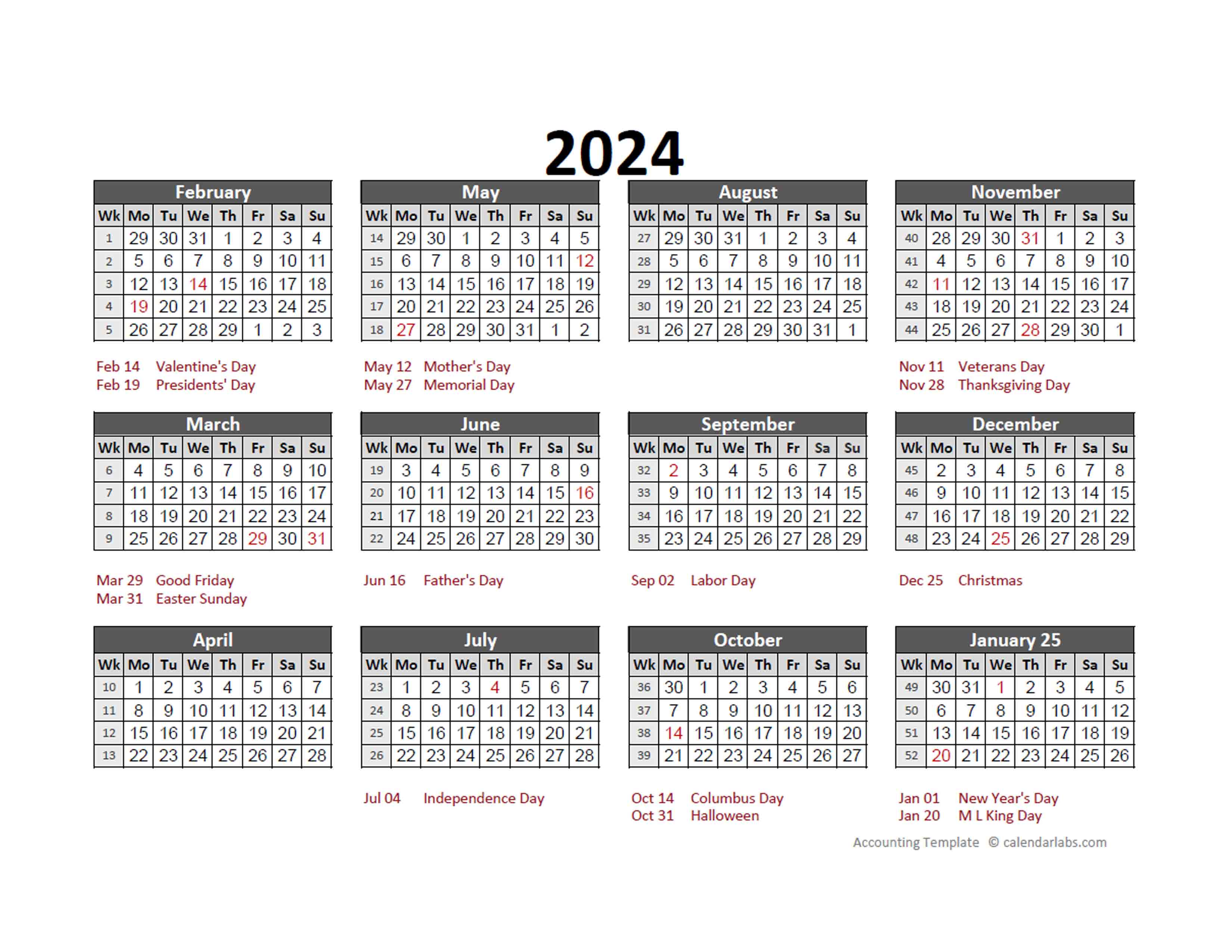
A calendar yr accounting interval is just a 12-month interval that aligns exactly with the Gregorian calendar. This implies the fiscal yr, the accounting interval used for monetary reporting, begins on January 1st and concludes on December thirty first. This easy construction gives quite a few advantages, primarily stemming from its widespread adoption and inherent simplicity. Companies utilizing this methodology put together their monetary statements – together with the earnings assertion, steadiness sheet, and assertion of money flows – on the finish of every December. These statements then mirror the corporate’s monetary efficiency and place for the whole yr.
Benefits of a Calendar 12 months Accounting Interval:
The recognition of the calendar yr accounting interval stems from a number of key benefits:
-
Simplicity and Standardization: Its alignment with the Gregorian calendar eliminates the necessity for complicated calculations to find out the beginning and finish dates of the fiscal yr. This simplicity simplifies bookkeeping, monetary reporting, and inner and exterior audits. The standardized nature additionally facilitates simple comparability of monetary efficiency throughout completely different corporations and industries.
-
Ease of Comparability: The constant 12-month interval permits for easy year-over-year comparisons. Analyzing developments and figuring out patterns turns into considerably simpler when knowledge is introduced on a constant timeframe. That is notably helpful for traders, collectors, and administration who depend on historic knowledge for decision-making.
-
Business Benchmarking: The widespread adoption of the calendar yr makes it simpler to benchmark an organization’s efficiency in opposition to its rivals. Business averages and comparative analyses develop into extra significant when utilizing a typical accounting interval. This enables for extra correct evaluation of an organization’s relative energy and weaknesses inside its market.
-
Tax Compliance: The alignment with the tax yr simplifies tax preparation and submitting. Many tax rules are structured across the calendar yr, streamlining the method and lowering potential problems. This reduces administrative burden and related prices for each companies and tax authorities.
-
Improved Budgeting and Forecasting: The predictability of the calendar yr facilitates extra correct budgeting and forecasting. Corporations can leverage historic knowledge from earlier calendar years to develop extra lifelike monetary projections for the upcoming yr. This improved accuracy enhances monetary planning and useful resource allocation.
Disadvantages of a Calendar 12 months Accounting Interval:
Regardless of its quite a few benefits, the calendar yr accounting interval additionally presents some drawbacks:
-
Lack of Alignment with Enterprise Cycles: Many companies function on fiscal years that align higher with their particular operational cycles. For instance, a retail enterprise may expertise peak gross sales throughout the vacation season, making a calendar yr much less reflective of its true efficiency. This misalignment can result in distorted monetary reporting, probably obscuring underlying developments and efficiency indicators.
-
12 months-Finish Rush: The focus of monetary reporting actions on the finish of December can create a major workload for accounting and finance departments. This year-end rush can result in elevated stress, potential errors, and better prices related to additional time and momentary staffing.
-
Seasonality Bias: Companies with vital seasonal fluctuations in income and bills could discover that the calendar yr doesn’t precisely mirror their true monetary efficiency. For instance, an organization with excessive gross sales in the summertime months and low gross sales within the winter months could current a skewed image of its general profitability.
-
Restricted Flexibility: The rigidity of the calendar yr accounting interval gives restricted flexibility for companies with distinctive operational wants. Adjusting the fiscal yr to higher align with enterprise cycles could be extra helpful, but it surely includes extra complicated accounting procedures.
-
Potential for Manipulation: Whereas not inherently vulnerable to manipulation, the year-end focus can create strain to artificially inflate or deflate monetary outcomes to satisfy particular targets or expectations. This necessitates sturdy inner controls and moral practices to make sure the accuracy and integrity of monetary reporting.
Options to the Calendar 12 months Accounting Interval:
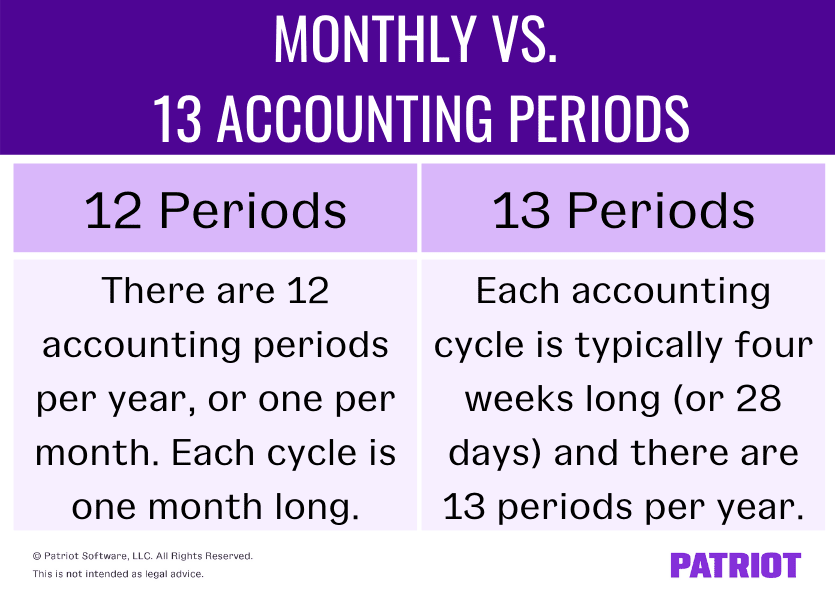
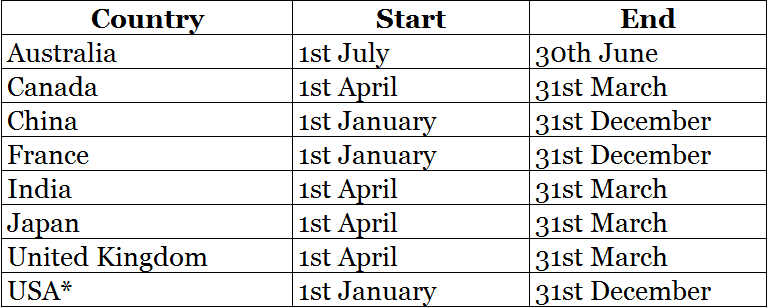
Companies have the choice to undertake a fiscal yr, which is a 12-month accounting interval that does not essentially align with the calendar yr. Fiscal years can start on any date, offering better flexibility to align with the enterprise’s particular operational cycle. This enables for a extra correct reflection of the corporate’s monetary efficiency and simplifies budgeting and forecasting. Nonetheless, this flexibility comes with elevated complexity in accounting procedures and tax compliance.
Selecting the Proper Accounting Interval:
The choice of whether or not to undertake a calendar yr or a fiscal yr accounting interval relies upon closely on the particular circumstances of the enterprise. Small companies with much less complicated operations and simple income streams could discover the simplicity of the calendar yr advantageous. Bigger companies with extra complicated operations, vital seasonal fluctuations, or particular business norms could profit from a fiscal yr aligned with their enterprise cycle.
Components to think about when making this choice embrace:
- Business norms: Sure industries could have established conventions concerning the usage of calendar or fiscal years.
- Enterprise cycle: The timing of peak gross sales, bills, and different key operational actions must be thought-about.
- Tax implications: The alignment of the accounting interval with the tax yr can simplify tax compliance.
- Inner assets: The capability of the accounting division to deal with the complexities of a fiscal yr must be assessed.
- Exterior reporting necessities: The wants of traders, collectors, and different stakeholders must be taken into consideration.
Conclusion:
The calendar yr accounting interval gives an easy and extensively accepted framework for monetary reporting. Its simplicity, standardization, and ease of comparability make it a well-liked selection for a lot of companies, notably smaller ones. Nonetheless, its limitations, similar to a scarcity of alignment with enterprise cycles and potential for year-end rush, should be rigorously thought-about. Finally, the optimum accounting interval is dependent upon the particular wants and traits of the enterprise, requiring an intensive analysis of the benefits and drawbacks of each calendar yr and financial yr choices. A well-chosen accounting interval is essential for correct monetary reporting, efficient decision-making, and general enterprise success. Consulting with accounting professionals is extremely really helpful to find out essentially the most appropriate strategy for particular person enterprise circumstances.
Closure
Thus, we hope this text has offered beneficial insights into The Calendar 12 months Accounting Interval: A Complete Information. We thanks for taking the time to learn this text. See you in our subsequent article!