The Lunar Dance: Exploring the 12 Months of the Islamic Calendar
Associated Articles: The Lunar Dance: Exploring the 12 Months of the Islamic Calendar
Introduction
With nice pleasure, we’ll discover the intriguing subject associated to The Lunar Dance: Exploring the 12 Months of the Islamic Calendar. Let’s weave fascinating info and provide recent views to the readers.
Desk of Content material
The Lunar Dance: Exploring the 12 Months of the Islamic Calendar

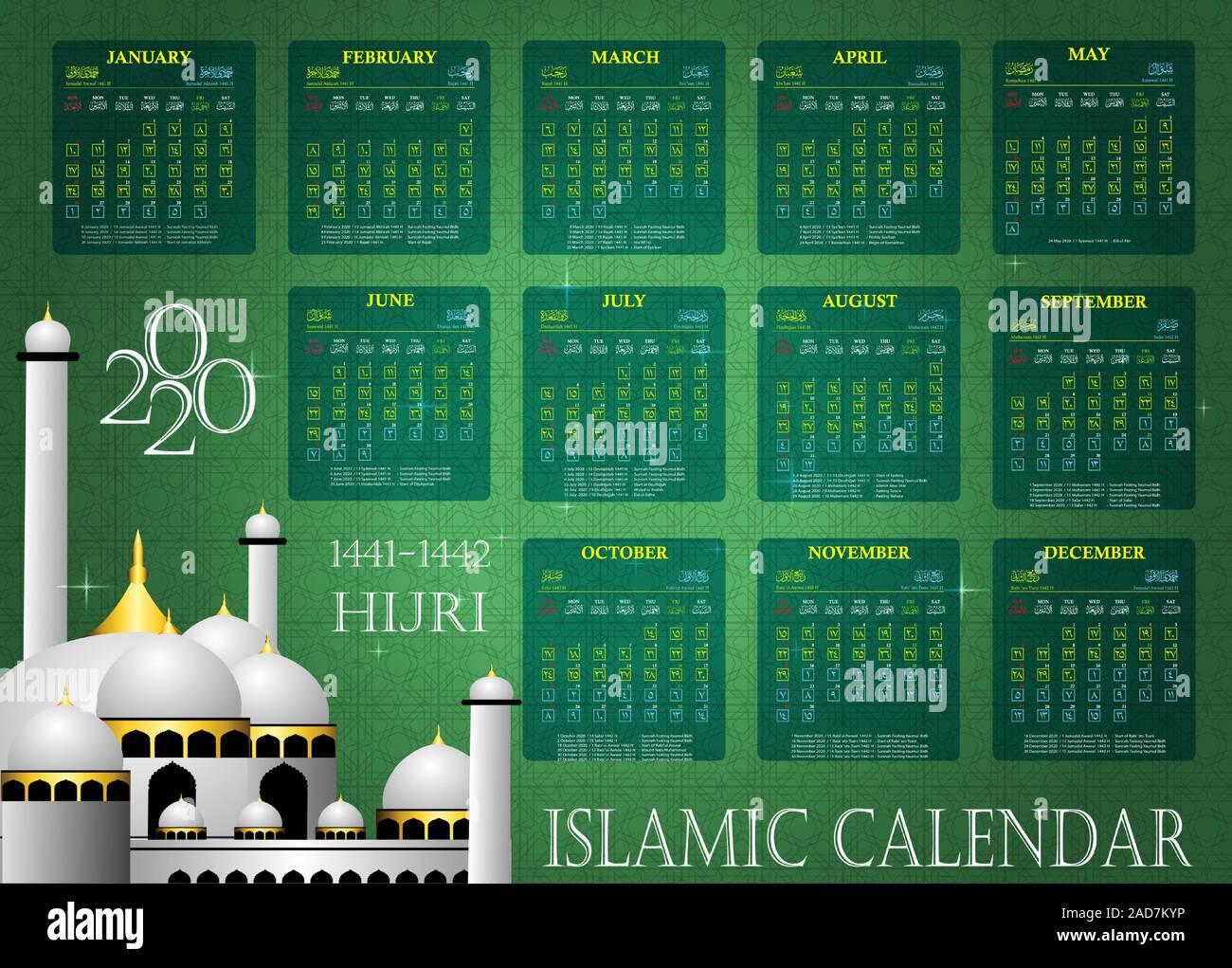
The Islamic calendar, a lunar calendar, stands as a testomony to the wealthy historical past and traditions of Islam. Not like the Gregorian calendar, which follows the photo voltaic yr, the Islamic calendar tracks the cycles of the moon, leading to a yr roughly 11 days shorter than its photo voltaic counterpart. This distinction results in the Islamic months shifting all through the Gregorian yr, making a dynamic relationship between the 2 calendars. Understanding the Islamic calendar requires appreciating its distinctive construction and the importance attributed to every of its twelve months.
The Islamic calendar begins with the Hijra, the migration of the Prophet Muhammad (peace be upon him) from Mecca to Medina in 622 CE. This pivotal occasion marks the start of the Islamic period and the muse upon which the calendar is constructed. Every month, bearing its personal historic significance and spiritual observances, contributes to the wealthy tapestry of the Islamic yr.
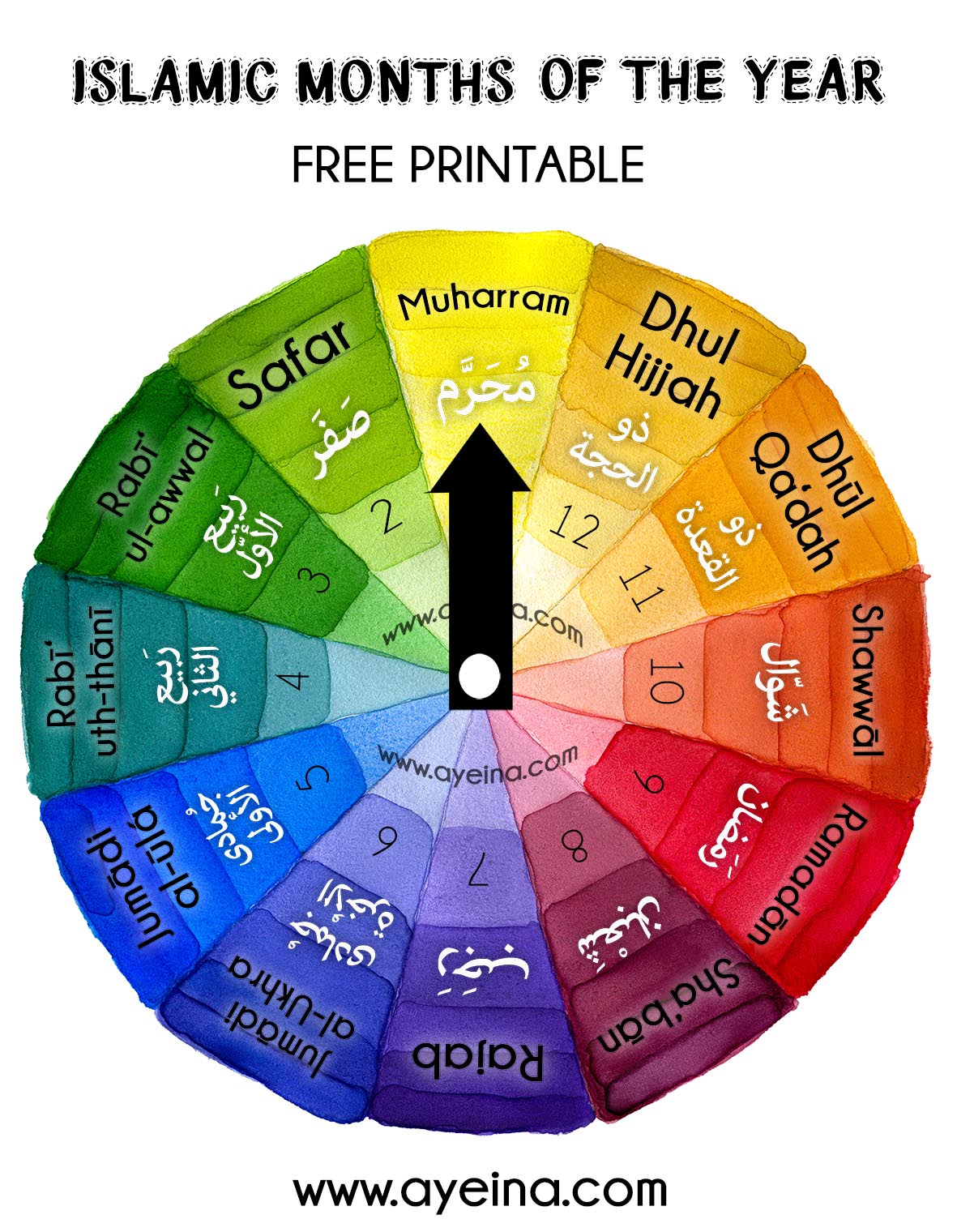
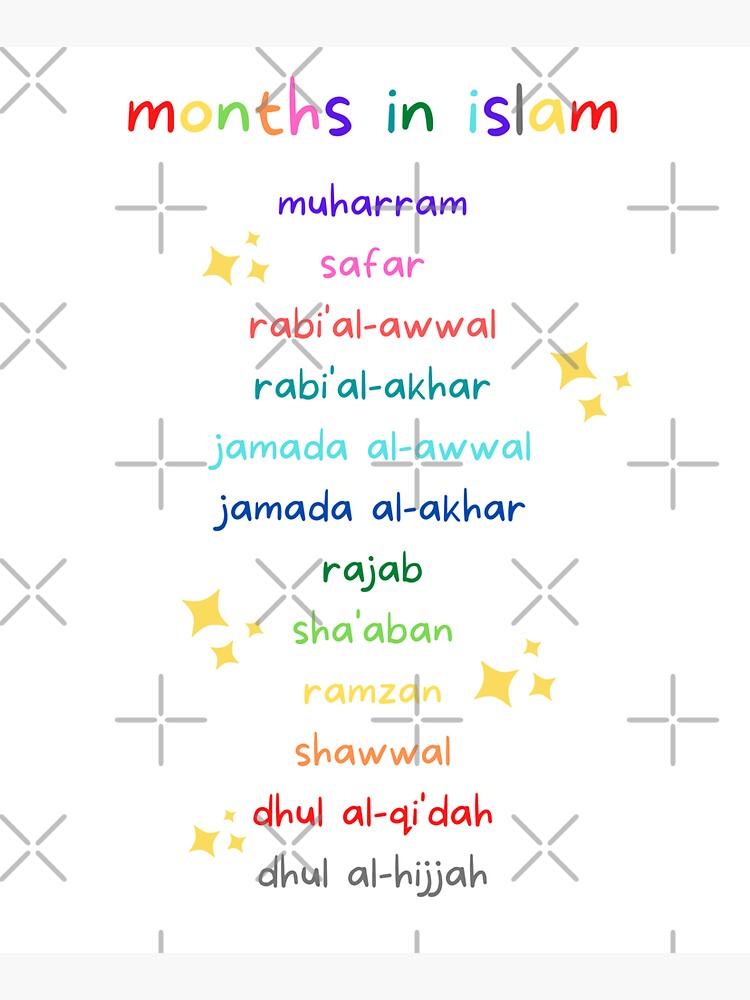
Muharram (محرم): The primary month of the Islamic yr, Muharram holds a profound significance for Muslims. It’s thought of one of many 4 sacred months of the yr, throughout which warfare was historically prohibited. This month is marked by a somber reflection on the martyrdom of Imam Hussein, the grandson of Prophet Muhammad, on the Battle of Karbala, an occasion deeply mourned by Shia Muslims. Ashura, the tenth day of Muharram, commemorates this tragedy and is noticed with mourning processions, prayers, and acts of charity. For Sunni Muslims, Muharram is a time for elevated piety and reflection, specializing in self-improvement and in search of forgiveness.
Safar (صفر): The second month of the Islamic calendar is usually thought of an unfortunate month in some Islamic traditions, though this isn’t a universally held perception. Traditionally, it was related to hardship and misfortune. Nevertheless, the month can be a time for introspection and preparation for the months forward. Muslims usually use this time for private reflection and planning.
Rabi’ al-Awwal (ربیع الأول): Rabi’ al-Awwal is a extremely vital month because it marks the beginning of the Prophet Muhammad (peace be upon him). Celebrated with nice pleasure and devotion by Muslims worldwide, this month witnesses quite a few gatherings, lectures, and spiritual ceremonies commemorating the life and teachings of the Prophet. Mosques are sometimes embellished, and particular prayers are supplied. The precise date of the Prophet’s beginning is a topic of some debate, however the celebrations span a number of days.
Rabi’ al-Thani (ربیع الثاني): Following the joyous celebrations of Rabi’ al-Awwal, Rabi’ al-Thani gives a interval of continued reflection on the Prophet’s life and teachings. Whereas not as prominently marked by particular occasions because the earlier month, it’s nonetheless a time for religious development and deepening one’s religion.
Jumada al-Ula (جمادى الأولى): Jumada al-Ula and Jumada al-Thani are sometimes thought of quieter months, offering a interval of calm after the numerous occasions of the previous months. They’re usually characterised by a concentrate on private devotion and religious reflection.
Jumada al-Thani (جمادى الآخرة): Much like Jumada al-Ula, this month gives a time for private religious development and preparation for the upcoming months. It’s a interval for self-assessment and strengthening one’s reference to God.
Rajab (رجب): Rajab is one other of the 4 sacred months, signifying a time of peace and sanctity. Historically, warfare was prohibited throughout this month. It’s a time for elevated devotion and preparation for the holy month of Ramadan. Many Muslims interact in elevated prayer and acts of worship.
Sha’ban (شعبان): Sha’ban is a month of preparation for Ramadan, the holiest month within the Islamic calendar. Muslims usually enhance their acts of worship and search forgiveness from God. It’s a time of religious cleaning and purification in anticipation of the upcoming quick. The center of Sha’ban is taken into account significantly auspicious for supplication and in search of divine blessings.
Ramadan (رمضان): Ramadan is the ninth month of the Islamic calendar and the holiest month for Muslims. It’s the month wherein the Quran was revealed to the Prophet Muhammad (peace be upon him). Throughout Ramadan, Muslims observe a quick from daybreak until nightfall, abstaining from meals, drink, and different bodily wants. This era is devoted to religious reflection, elevated prayer, charity, and strengthening one’s reference to God. Taraweeh prayers, particular nightly prayers carried out in mosques, are an indicator of Ramadan. Eid al-Fitr, the competition marking the tip of Ramadan, is a joyous event celebrated with household and pals.
Shawwal (شوال): Shawwal follows Ramadan and marks the start of Eid al-Fitr, a three-day competition celebrating the completion of the quick. It is a time of pleasure, celebration, and giving because of God. Households collect, alternate items, and revel in particular meals. The primary day of Shawwal is especially vital as it’s the day of Eid al-Fitr.
Dhul-Qi’dah (ذو القعدة): Dhul-Qi’dah is one other of the 4 sacred months, emphasizing peace and sanctity. It’s a month of preparation for the pilgrimage to Mecca, Hajj, which takes place within the following month. Muslims usually use this time for religious reflection and preparation for this vital spiritual journey.
Dhul-Hijjah (ذو الحجة): Dhul-Hijjah is the twelfth and last month of the Islamic calendar and holds immense significance attributable to Hajj, the annual pilgrimage to Mecca. Tens of millions of Muslims from all over the world converge on Mecca to carry out Hajj, a sequence of rituals commemorating the Prophet Ibrahim’s (Abraham) willingness to sacrifice his son. The tenth day of Dhul-Hijjah, Eid al-Adha, marks the end result of Hajj and is widely known with animal sacrifice and communal feasts, symbolizing submission to God and sharing with the needy. Your entire month is stuffed with a spirit of devotion and religious renewal.
The Islamic calendar, with its lunar rhythm, gives a framework for the religious lifetime of Muslims worldwide. Every month holds its personal distinctive significance, contributing to the wealthy tapestry of Islamic traditions and beliefs. Understanding the nuances of every month permits for a deeper appreciation of the Islamic religion and its profound influence on the lives of its followers. The cyclical nature of the calendar, mirroring the moon’s phases, serves as a continuing reminder of the cyclical nature of life and the significance of steady religious development and renewal.




Closure
Thus, we hope this text has supplied precious insights into The Lunar Dance: Exploring the 12 Months of the Islamic Calendar. We thanks for taking the time to learn this text. See you in our subsequent article!