The Twelve Months of the Islamic Lunar Calendar: A Journey By means of Time and Custom
Associated Articles: The Twelve Months of the Islamic Lunar Calendar: A Journey By means of Time and Custom
Introduction
On this auspicious event, we’re delighted to delve into the intriguing subject associated to The Twelve Months of the Islamic Lunar Calendar: A Journey By means of Time and Custom. Let’s weave attention-grabbing info and supply recent views to the readers.
Desk of Content material
The Twelve Months of the Islamic Lunar Calendar: A Journey By means of Time and Custom

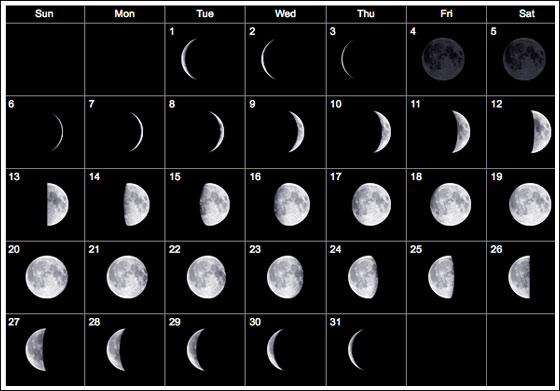
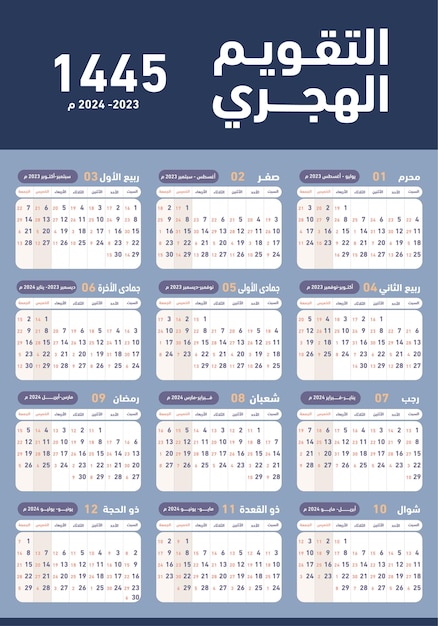
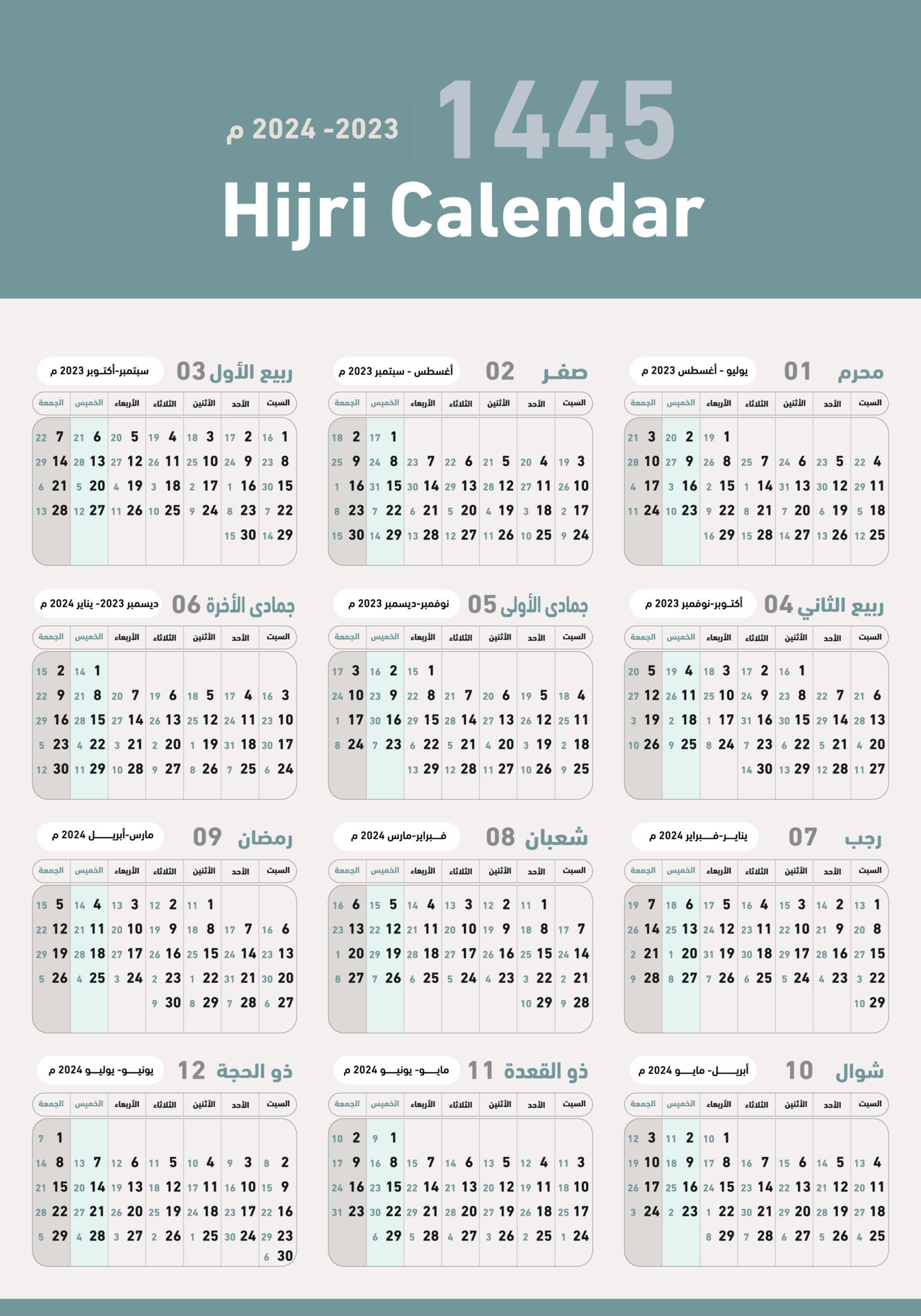
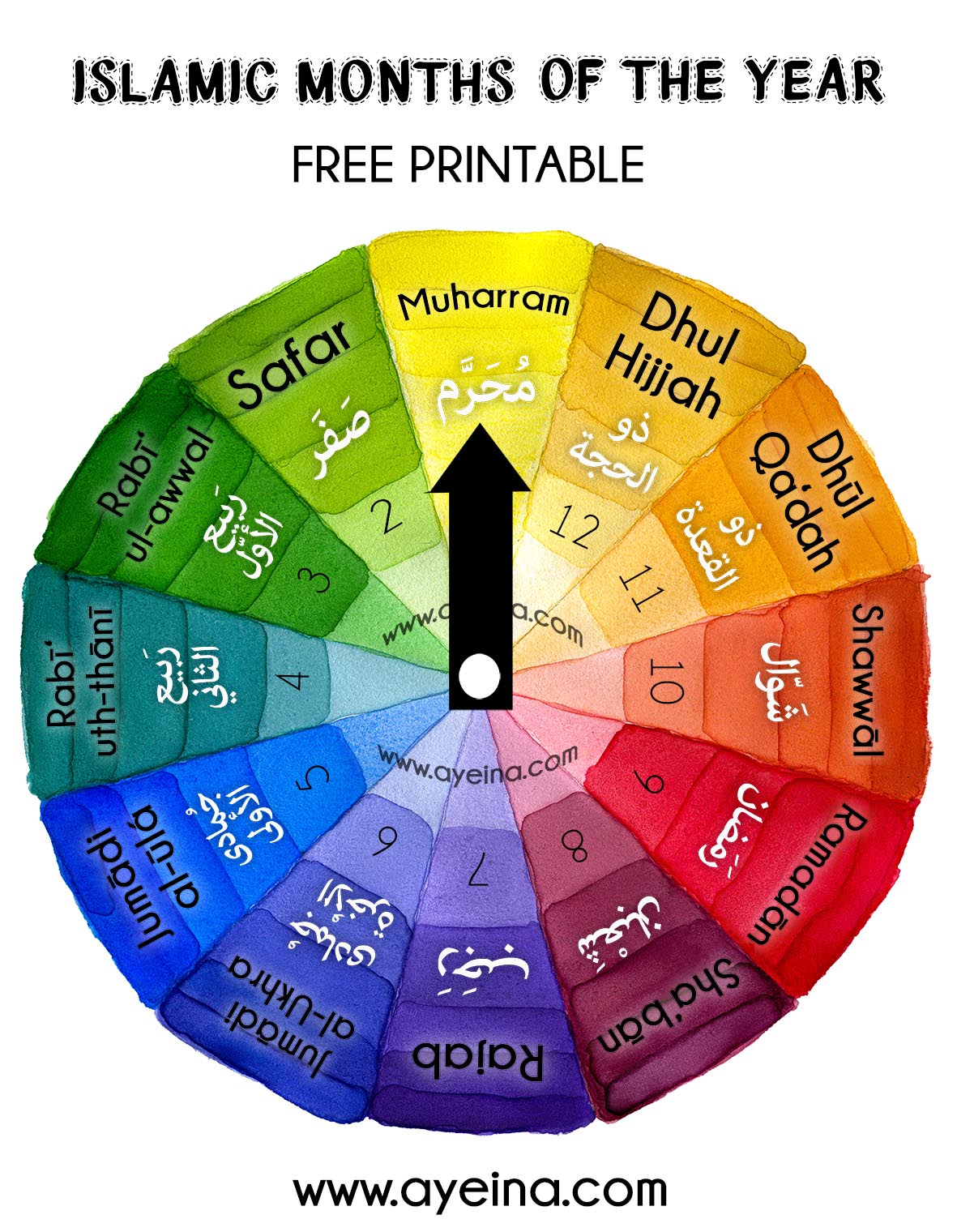
The Islamic calendar, a lunar calendar primarily based on the month-to-month cycles of the moon, holds immense significance for Muslims worldwide. Not like the Gregorian calendar, which is photo voltaic, the Islamic calendar’s months shift all through the photo voltaic 12 months, leading to a singular and deeply interwoven relationship with spiritual observances and agricultural practices. This text delves into every of the twelve months of the Islamic calendar, exploring their historic significance, spiritual significance, and cultural relevance.
1. Muharram (محرم): The primary month of the Islamic calendar, Muharram marks the start of a brand new 12 months. It’s thought-about a sacred month, and fasting throughout this month, significantly on the tenth day (Ashura), is extremely advisable. Ashura commemorates the survival of Prophet Musa (Moses) from Pharaoh’s tyranny and is noticed by Muslims globally. Nonetheless, it additionally carries a somber be aware, commemorating the martyrdom of Imam Hussein, the grandson of Prophet Muhammad, on the Battle of Karbala. This occasion is a big day of mourning for Shia Muslims. The month’s total ambiance is one among reflection, remembrance, and non secular renewal.
2. Safar (صفر): Typically thought-about an unfortunate month in some cultures, Safar holds no particular spiritual significance in Islam itself. Nonetheless, its place following Muharram typically results in a continuation of the reflective temper from the earlier month. Historically, journeys and vital undertakings had been typically averted in Safar, a follow rooted extra in cultural superstition than spiritual decree. The month offers a interval of quiet contemplation earlier than the extra lively months that comply with.
3. Rabi’ al-Awwal (ربیع الأول): This month is of immense significance because it marks the delivery of Prophet Muhammad (peace be upon him). Celebrations and gatherings are held throughout the Muslim world to commemorate this auspicious event. Mosques are sometimes adorned, particular prayers are supplied, and sermons emphasize the Prophet’s life and teachings. The delivery of the Prophet is a time of pleasure, gratitude, and renewed dedication to Islamic rules.
4. Rabi’ al-Thani (ربیع الثاني): Following the celebrations of Rabi’ al-Awwal, Rabi’ al-Thani is a usually quieter month. Whereas missing main spiritual occasions, it affords a interval for private reflection and non secular progress following the heightened exercise of the earlier month. Many Muslims use this time for elevated prayer, research of the Quran, and introspection.
5. Jumada al-Ula (جمادى الأولى): Much like Rabi’ al-Thani, Jumada al-Ula is comparatively quiet when it comes to main spiritual occasions. It is a time for continued private devotion and preparation for the months forward. The main focus stays on particular person non secular growth and strengthening one’s relationship with God.
6. Jumada al-Thaniyah (جمادى الآخرة): This month additionally lacks main spiritual occasions. It continues the theme of non-public reflection and non secular preparation, permitting Muslims to deal with their particular person non secular journeys and strengthening their religion via prayer, research, and charitable acts.
7. Rajab (رجب): Rajab is taken into account a sacred month, typically related to elevated piety and non secular devotion. It’s a month of preparation for the extra vital months that comply with, significantly Sha’ban and Ramadan. Fasting throughout Rajab is inspired, and Muslims typically enhance their prayers and recitation of the Quran. It is a time of non secular cleaning and anticipation.
8. Sha’ban (شعبان): Sha’ban is a month of intense non secular preparation for Ramadan, the holy month of fasting. Muslims typically enhance their acts of worship, together with fasting, praying, and giving charity. Prophet Muhammad (peace be upon him) is reported to have fasted extensively throughout Sha’ban, setting an instance for his followers to arrange themselves spiritually for the trials and blessings of Ramadan.
9. Ramadan (رمضان): The holiest month within the Islamic calendar, Ramadan is a time of fasting from daybreak until nightfall. Fasting is among the 5 pillars of Islam, and through Ramadan, Muslims abstain from meals, drink, and different bodily pleasures to deal with non secular progress and reference to God. Taraweeh prayers, particular nightly prayers carried out in congregation, are a central a part of Ramadan. The month culminates in Eid al-Fitr, a celebration marking the tip of the quick.
10. Shawwal (شوال): Shawwal instantly follows Ramadan and begins with the joyous celebration of Eid al-Fitr, a three-day competition marking the breaking of the quick. Muslims supply prayers, change presents, and rejoice with household and buddies. The primary ten days of Shawwal are thought-about significantly blessed, with the primary day being a very powerful. The month is a time of gratitude and rejoicing.
11. Dhul-Qi’dah (ذو القعدة): Dhul-Qi’dah is a sacred month, and like Rajab, it’s a time of preparation for the pilgrimage to Mecca (Hajj). Muslims typically chorus from combating and battle throughout this month, fostering a way of peace and concord. It is a month of reflection and non secular readiness for the Hajj.
12. Dhul-Hijjah (ذو الحجة): This month is essentially the most vital for Muslims performing Hajj, the annual pilgrimage to Mecca. The Hajj is among the 5 pillars of Islam, and thousands and thousands of Muslims from around the globe converge on Mecca to carry out the rituals. Crucial day is the tenth day of Dhul-Hijjah, Eid al-Adha, which commemorates the willingness of Prophet Ibrahim (Abraham) to sacrifice his son Ismail (Ishmael) as an act of obedience to God. At the present time is marked by animal sacrifice and communal feasting, signifying submission to God’s will.
The Islamic lunar calendar is greater than only a system of timekeeping; it is a vibrant tapestry interwoven with spiritual observances, cultural traditions, and private non secular journeys. Every month holds its distinctive significance, shaping the lives and beliefs of Muslims globally. Understanding the nuances of every month permits for a deeper appreciation of the wealthy historical past and profound non secular significance embedded throughout the Islamic calendar. It offers a framework for a life guided by religion, reflection, and communal solidarity, making a cyclical rhythm of devotion and celebration all year long.



Closure
Thus, we hope this text has supplied priceless insights into The Twelve Months of the Islamic Lunar Calendar: A Journey By means of Time and Custom. We recognize your consideration to our article. See you in our subsequent article!