Tishrei: A Month of Renewal, Reflection, and Remembrance
Associated Articles: Tishrei: A Month of Renewal, Reflection, and Remembrance
Introduction
With nice pleasure, we are going to discover the intriguing matter associated to Tishrei: A Month of Renewal, Reflection, and Remembrance. Let’s weave attention-grabbing info and supply recent views to the readers.
Desk of Content material
Tishrei: A Month of Renewal, Reflection, and Remembrance

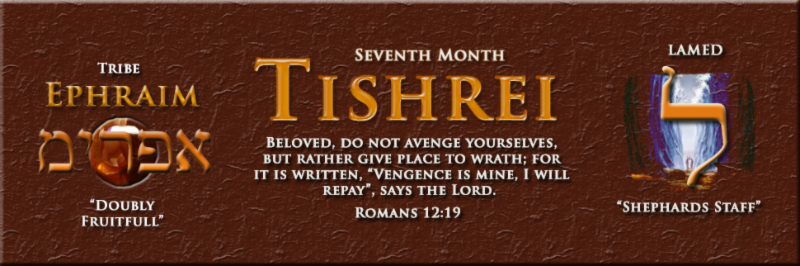
The primary month of the Jewish calendar, Tishrei (תִּשְׁרֵי), holds a novel and profound significance inside Jewish life. Not like the opposite months, that are largely outlined by agricultural cycles, Tishrei is primarily centered on religious renewal, historic remembrance, and the institution of the brand new yr. This month, falling in September or October of the Gregorian calendar, is a time of intense reflection, joyous celebration, and solemn introspection, culminating in a collection of excessive holidays that profoundly form the Jewish yr.
Tishrei’s central theme revolves across the idea of teshuva (תְּשׁוּבָה), repentance or return. It is a interval of introspection the place people look at their actions of the previous yr, searching for forgiveness for transgressions and recommitting themselves to residing a life aligned with Jewish values. This course of shouldn’t be merely about confessing sins; it is a journey of self-improvement, searching for to fix damaged relationships and attempt for private development. The month’s observances are designed to facilitate this significant religious work, offering a framework for people and the group to interact on this very important course of.
The month begins with Rosh Hashanah (ראשׁ הַשָּׁנָה), the Jewish New Yr. This two-day vacation marks the start of the civil yr and is a time of profound religious significance. The shofar (שוֹפָר), a ram’s horn, is blown every day, its haunting sound serving as a wake-up name, urging people to replicate on their lives and put together for the Days of Awe that comply with. The liturgy of Rosh Hashanah is wealthy in symbolism, crammed with prayers for a candy new yr, for forgiveness, and for divine judgment. Conventional meals, like apples dipped in honey, symbolize the hope for a candy and affluent yr forward.
Rosh Hashanah isn’t just a celebration of the brand new yr; it is also a time of judgment. Jewish custom teaches that on Rosh Hashanah, God judges the world and every particular person, assessing their deeds and figuring out their destiny for the approaching yr. This understanding underscores the significance of teshuva throughout this time, emphasizing the chance for change and religious renewal earlier than the ultimate judgment is sealed. The solemnity of the vacation is balanced by the enjoyment of celebrating the brand new starting and the hope for a yr crammed with blessings.
Following Rosh Hashanah are the ten days of repentance, often known as the Yamim Noraim (יָמִים נוֹרָאִים), or "Days of Awe." These ten days are a interval of intense introspection, prayer, and acts of charity. People interact in self-reflection, searching for to establish areas the place they’ll enhance and make amends for previous errors. Synagogues are crammed with penitential prayers, and acts of tzedakah (צְדָקָה), charitable giving, are inspired as a way of demonstrating regret and searching for atonement.
The fruits of the Days of Awe is Yom Kippur (יוֹם כִּפּוּר), the Day of Atonement. This most solemn day of the Jewish yr is a day of fasting, prayer, and intense reflection. The complete day is devoted to searching for forgiveness from God and from these whom one has wronged. The liturgy of Yom Kippur is deeply transferring, crammed with confessions of sin, pleas for forgiveness, and expressions of hope for redemption. The apply of fasting underscores the seriousness of the day and the necessity for humility and self-examination.
Yom Kippur shouldn’t be merely about particular person atonement; it is also about communal reconciliation. The custom of asking forgiveness from these one has harmed emphasizes the significance of repairing damaged relationships and restoring concord inside the group. The day concludes with the Ne’ilah (נְעִילָה) service, a robust and poignant prayer that marks the closing of the gates of forgiveness. The sense of communal unity and shared expertise is palpable, leaving contributors with a sense of profound religious renewal.
Past Rosh Hashanah and Yom Kippur, Tishrei additionally consists of different important holidays and observances. Sukkot (סֻכּוֹת), the Feast of Tabernacles, begins instantly after Yom Kippur. This seven-day vacation commemorates the Israelites’ 40-year journey via the desert after their exodus from Egypt. The central observance of Sukkot is the constructing and dwelling in a sukkah (סֻכָּה), a brief hut, which symbolizes the fragility of life and the safety offered by God. The sukkah serves as a reminder of God’s safety through the Israelites’ journey and encourages reflection on the significance of gratitude and religion.
Sukkot can also be a harvest competition, celebrating the bounty of the land and God’s provision. The vacation is characterised by festive meals eaten within the sukkah, and the recitation of the Hallel (הַלֵּל), a collection of Psalms expressing reward and thanksgiving. The waving of the lulav (לולב), a palm department, and the etrog (אֶתְרוֹג), a citron, provides to the festive environment and symbolizes the unity of the Jewish individuals.
Following Sukkot is Shemini Atzeret (שְׁמִינִי עֲצֶרֶת), the Eighth Day of Meeting. This single-day vacation marks the conclusion of the Sukkot competition and is a time of continued prayer and reflection. In Israel, Shemini Atzeret is mixed with Simchat Torah (שִׂמְחַת תּוֹרָה), the Rejoicing of the Legislation.
Simchat Torah, a joyous celebration, marks the completion of the annual cycle of studying the Torah. The Torah scrolls are taken out of the ark, and your complete congregation participates in dancing and singing, celebrating the completion of the annual studying cycle and the start of a brand new one. The joyous environment of Simchat Torah supplies a robust counterpoint to the solemnity of Yom Kippur, emphasizing the cyclical nature of life and the continuing journey of religion.
In abstract, Tishrei is a month of profound religious significance, a time of intense reflection, joyous celebration, and solemn introspection. The collection of excessive holidays that outline this month supplies a framework for people and the group to interact in teshuva, to hunt forgiveness, and to recommit themselves to residing a lifetime of which means and objective. From the haunting sounds of the shofar to the joyous dances of Simchat Torah, Tishrei affords a robust and transferring expertise, shaping the Jewish yr and renewing the spirit of the Jewish individuals. The month’s observances function a potent reminder of the significance of repentance, remembrance, and the continuing journey of religion, leaving a long-lasting impression on the lives of those that observe them. The themes of renewal, reflection, and remembrance resonate all through the month, leaving a long-lasting imprint on the hearts and minds of those that take part in its wealthy and significant traditions.




Closure
Thus, we hope this text has offered worthwhile insights into Tishrei: A Month of Renewal, Reflection, and Remembrance. We admire your consideration to our article. See you in our subsequent article!